

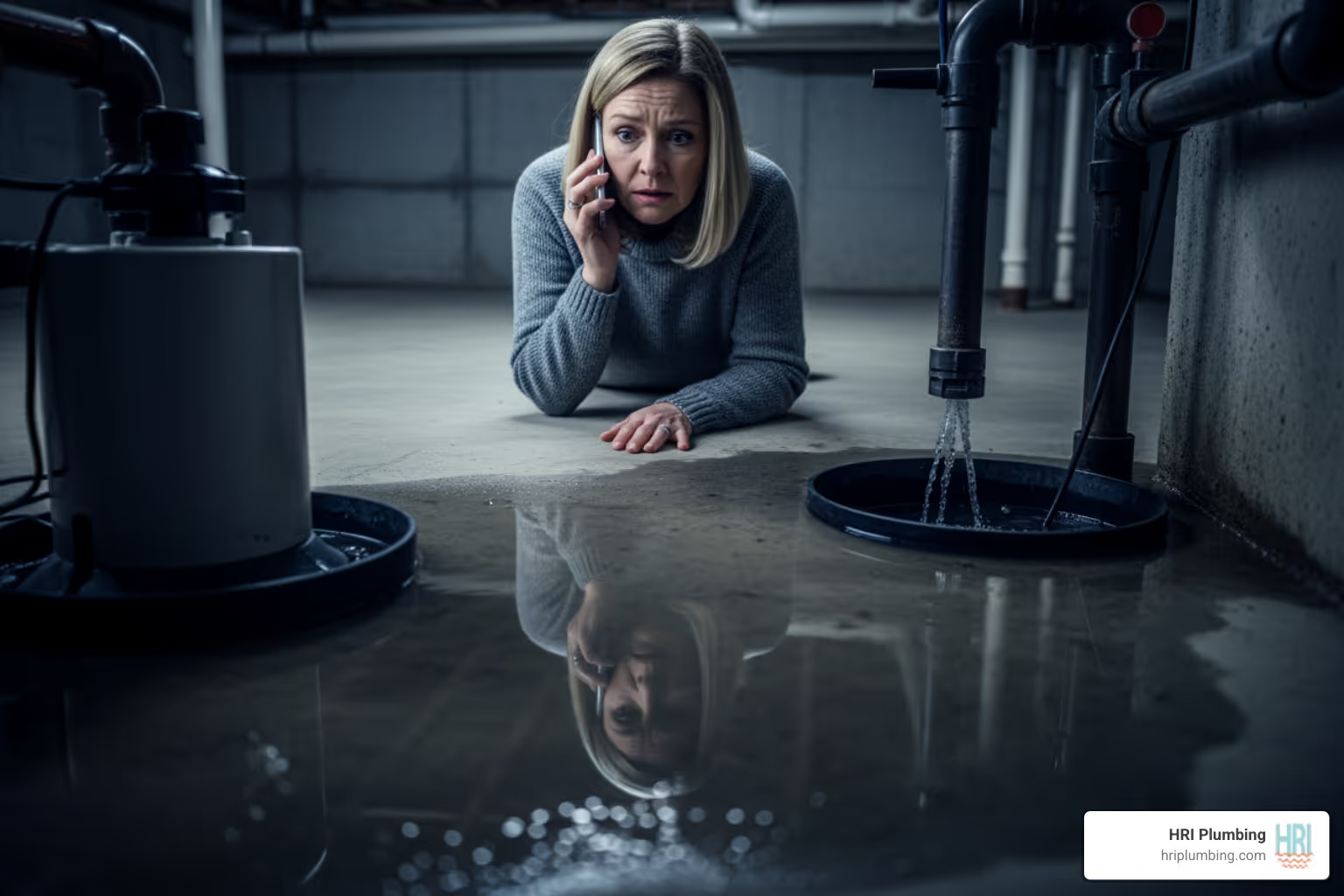


Your Guide to Urgent Sump Pump Help in Springfield
My sump pump is not working and my basement is starting to get wet. Who can I call for urgent help in Springfield? This stressful situation demands immediate action. Springfield receives an average of 38 inches of rain and 18 inches of snow annually, making sump pumps critical for protecting your basement from water damage. When your pump fails during a storm or heavy rainfall, knowing who to contact is crucial.
Emergency Contacts for Sump Pump Failure in Springfield:
| Service Type | When to Call | Available |
|---|---|---|
| Licensed Emergency Plumbers | Pump won't turn on, mechanical failure, water rising | 24/7 |
| Waterproofing Specialists | Ongoing seepage, foundation concerns | Business hours + emergency |
| Water Damage Restoration | After flooding occurs, mold concerns | 24/7 |
For comprehensive help with your plumbing system, check out our plumbing services in Springfield, IL, or if you need immediate assistance, visit our emergency plumbing in Springfield, IL page.
Springfield's soil and weather create ideal conditions for basement water intrusion. A failed sump pump can lead to rapid water accumulation, causing mold, structural damage, and expensive repairs. Experienced professionals in Springfield are available 24/7 to manage the crisis and prevent future issues.
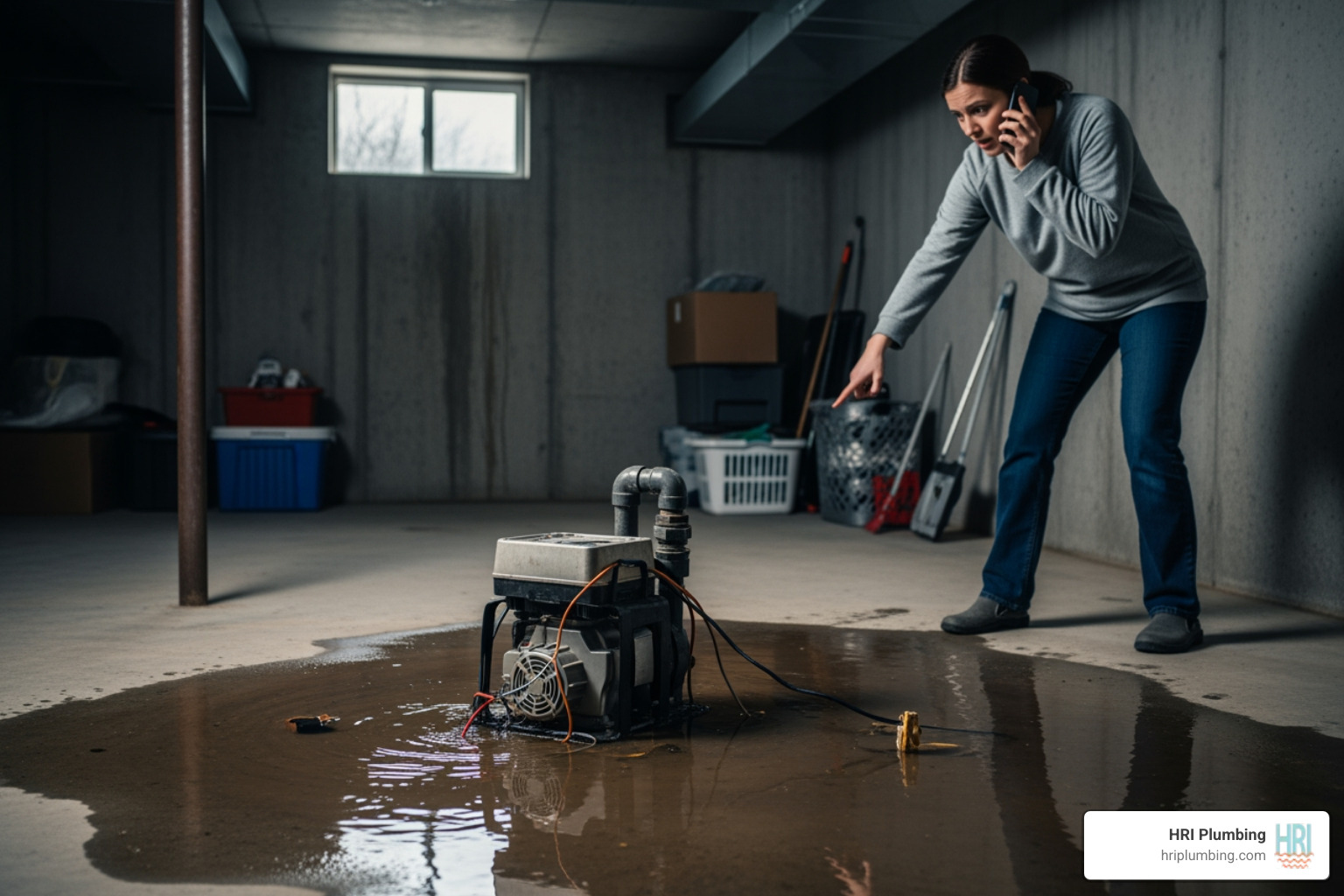
Key terms for "My sump pump is not working and my basement is starting to get wet. Who can I call for urgent help in Springfield?":
What are the immediate steps for a failed sump pump and wet basement?
When you find "My sump pump is not working and my basement is starting to get wet," prioritize safety. Water and electricity are a dangerous combination, so act quickly and cautiously.
- Prioritize Safety: Turn Off Electricity. If there's standing water, go to your main electrical panel and shut off power to the basement circuits to prevent electrocution. Never wade into water to unplug anything.
- Move Valuables to Higher Ground. If it's safe to enter, move valuable or damageable items like electronics, furniture, and documents out of the water's path.
- Identify the Water Source (if possible and safe). A quick look might reveal if the water is from a burst pipe or rising groundwater. This information is helpful when you call for professional help.
- Remove Standing Water (if safe and manageable). Use buckets or a wet/dry vacuum for small amounts of water. For significant flooding, wait for professionals. Never enter a flooded basement if the power is still on.
- Document the Damage. Take photos and videos of the wet areas, damaged items, and the non-functioning sump pump. This documentation is invaluable for insurance claims.
- Call for Urgent Help. Once safety measures are in place, contact a reliable emergency plumbing service. We are always here to help Springfield residents with urgent sump pump and basement flooding issues.
Prompt action minimizes damage and repair costs. For more information on dealing with a flooded basement, refer to our Flooded Basement Repair: Complete Guide.
What are the common causes of sump pump failure?
Understanding why your sump pump stopped working helps you communicate the problem when you call for urgent help.
- Power Outages: This is a top reason for pump failure, especially during storms. Without power or a backup source, your electric pump won't work.
- Clogged Float Switch: The float switch tells the pump to turn on. If debris tangles or jams it, the pump won't activate as water rises.
- Overwhelmed Pump: During heavy rain or snowmelt, the water volume can exceed your pump's capacity, causing it to overflow and flood the basement.
- Old Age and Wear and Tear: Sump pumps typically last 7-10 years. Over time, components wear out, and an aging pump is prone to sudden failure.
- Improper Installation: An incorrectly installed pump can fail prematurely. Common issues include using an undersized pump or incorrect discharge pipe sizing.
- Clogged Discharge Pipe: If the pipe carrying water away from your home gets clogged with debris or freezes, water will back up into your basement.
For more details on why your sump pump might not be working, see our article on Sump Pump Not Working.
How do I know if my sump pump needs repair or replacement?
Knowing whether to repair or replace your pump is key to preventing future emergencies. Here are the indicators:
- Pump Age: If your pump is 7 to 10 years old or older, replacement is often a more reliable and cost-effective solution than repeated repairs.
- Constant Running or Frequent Cycling: A pump that runs constantly or cycles on and off frequently may have a faulty switch or check valve. This excessive use wears out the motor faster.
- Strange Noises: Grinding, rattling, or thumping noises are not normal. They often signal a damaged impeller or worn-out motor bearing, which can lead to failure.
- Visible Rust or Corrosion: Rust on the pump's casing or components indicates age and compromises its integrity, suggesting it's time for an inspection or replacement.
- Failure to Turn On or Shut Off: This is a critical failure. If the pump doesn't activate in water or won't shut off, it likely has a faulty switch or seized motor.
- Vibration During Operation: Excessive vibration can mean an unbalanced impeller or motor issue, reducing efficiency and causing faster wear.
If you notice these signs, have a professional inspect your system. For a comprehensive guide, see our article on When to Consider Sump Pump Replacement.
What signs of basement water damage require urgent professional help?
Beyond the immediate crisis, certain signs of water damage indicate a deeper, more urgent need for professional intervention.
- Musty Odors: A persistent musty smell indicates hidden mold or mildew growth. These odors mean moisture is present and needs immediate attention.
- Visible Mold or Mildew: Any visible growth (black, green, or white) on walls or floors is a health hazard. Professional remediation is essential to remove it safely.
- Damp Spots on Walls or Floors: Unexplained dampness, discoloration, or staining on your basement walls or floor suggests water seepage.
- Peeling Paint or Wallpaper: Water penetration behind paint or wallpaper can cause it to bubble and peel, signaling a moisture problem.
- Warped or Swollen Wood: Wooden studs, floor joists, or trim that appear warped or soft to the touch are a sign of prolonged moisture exposure that can compromise your home's structure.
- Foundation Cracks: New or expanding cracks in your basement walls or floor can be entry points for water and may signal foundational issues that need expert assessment.
Water damage from basement flooding can lead to mold growth and structural issues if not addressed promptly. If you observe any of these signs, it's time to call in the experts. For solutions to basement flooding, explore our Basement Flooding Solution page.
My sump pump is not working and my basement is starting to get wet. Who can I call for urgent help in Springfield?
When you find yourself in the predicament of "My sump pump is not working and my basement is starting to get wet," you need fast, reliable help. In Springfield, IL, you can count on us, HRI Plumbing, for immediate assistance.
We specialize in emergency plumbing services, and our team of licensed plumbers is equipped to handle sump pump failures and basement flooding with speed and expertise.
- 24/7 Emergency Services: Plumbing emergencies don't wait for business hours. We offer around-the-clock support to dispatch a technician promptly when your sump pump fails. Learn more on our Emergency Plumbing in Springfield, IL page.
- Licensed Plumbers: Our experienced, licensed professionals can quickly diagnose the issue, whether it's a simple repair or a full replacement.
- Sump Pump Repair and Replacement Specialists: We are experts in all sump pump services, from fixing clogged switches to installing a new, properly sized pump. See our services on our Sump Pump Repair in Springfield, IL page.
- Comprehensive Water Damage Solutions: We don't just fix the pump; we assess the damage and recommend steps for water removal and prevention to protect your home.
- Local Expertise: Serving Springfield, Jacksonville, and Rushville, IL, we understand local conditions like soil and weather that affect basement water issues, allowing for effective solutions.
- Honesty and Integrity: We pride ourselves on transparent communication, clear explanations, and affordable options to provide high-quality service without the stress.
When your basement is getting wet and your sump pump has failed, don't hesitate to reach out to us. We are dedicated to restoring your peace of mind and protecting your home.
Preventing Future Basement Flooding and Sump Pump Issues
Once you've addressed the immediate crisis of "My sump pump is not working and my basement is starting to get wet," the next crucial step is to implement preventative measures. Springfield's average of 38 inches of rain and 18 inches of snow annually means that proactive steps are essential to keep your basement dry and prevent future sump pump failures.
What preventative measures can I take to avoid future sump pump failures?
Protecting your home from water damage requires a multi-faceted approach, combining regular maintenance with smart upgrades.
Regular Maintenance Checks: The simplest preventative measure is routine maintenance. We recommend checking your sump pump quarterly, especially during seasons of heavy rain or snowmelt.
- Test Your Pump Quarterly: Pour a bucket of water into the sump pit to ensure the float switch activates the pump and it effectively discharges the water. This confirms the pump and switch are working correctly.
- Clean the Sump Pit: Over time, dirt, gravel, and debris can accumulate in the sump pit, potentially clogging the pump's intake or interfering with the float switch. Regularly clean out the pit to ensure unobstructed operation.
- Inspect the Discharge Pipe: Ensure the discharge pipe is free of obstructions and extends far enough away from your foundation (at least 10-20 feet) to prevent water from recirculating. Check for freezing during winter.
- Check the Check Valve: The check valve prevents discharged water from flowing back into the pit. Ensure it's functioning properly.
Invest in a Battery Backup System: Power outages are a leading cause of pump failure during storms. A battery backup system keeps your pump running when the power goes out, providing essential protection. This is a highly recommended investment for Springfield homeowners. You can learn more about this vital addition on our Sump Pump Backup System Jacksonville page.
- Install a Sump Pump Alarm: An alarm can alert you to high water levels, pump failure, or a power outage. This early warning gives you time to act before significant flooding occurs. Our article on Sump Pump Alarm System provides more details.
- Consider a Secondary or Redundant Pump: For homes in areas particularly prone to heavy water intrusion, installing a secondary sump pump can provide an extra layer of defense. If the primary pump fails or becomes overwhelmed, the secondary pump kicks in.
- Ensure Proper Drainage Around Your Home: Effective exterior drainage reduces the load on your sump pump. Keep gutters clean and ensure downspouts and yard grading direct water far away from your foundation.
- Professional Sump Pump Maintenance: We offer preventative maintenance plans to keep your system in top shape. Our technicians can inspect, clean, and identify potential issues before they become emergencies, extending your pump's life. Explore our full range of services on our Sump Pump Repair & Replacement page.
By taking these preventative measures, you can significantly reduce the risk of future sump pump failures and keep your Springfield basement dry and protected, avoiding the stressful situation of asking, "My sump pump is not working and my basement is starting to get wet. Who can I call for urgent help in Springfield?" We are always ready to help you with both urgent repairs and proactive solutions to safeguard your home.


