


85% of Homes Have It — Are You Seeing the Signs You Have Hard Water in Your Home?
The signs you have hard water in your home are easier to spot than you might think. Here's a quick look at the most common ones:
- White, chalky buildup on faucets and showerheads
- Soap scum that won't go away in your shower or tub
- Spots on glasses and dishes after washing
- Dry, itchy skin and dull or brittle hair after bathing
- Stiff, scratchy laundry and faded fabrics
- Low water pressure from mineral-clogged pipes
- Appliances wearing out faster than they should
- Higher energy and utility bills
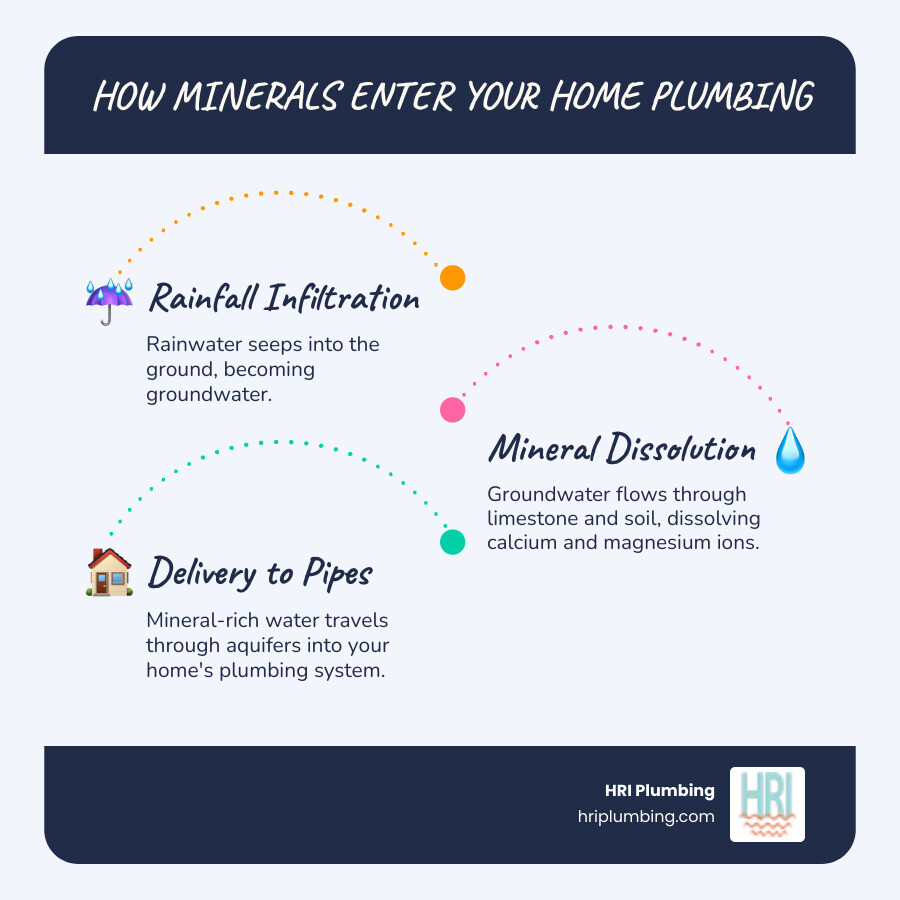
About 85% of homes across the United States deal with hard water. That means the odds are good that your home in central Illinois is affected too. Hard water forms when groundwater picks up minerals — mainly calcium and magnesium — as it passes through rock and soil before reaching your pipes. Those minerals don't stay invisible for long. They leave behind buildup, stains, and damage that can quietly cost you hundreds of dollars a year in repairs, replacements, and wasted energy.
The frustrating part? Many homeowners chalk up the signs to bad products, aging fixtures, or just bad luck — when the real culprit is flowing straight from their tap.
8 Telltale Signs You Have Hard Water in Your Home
If you’ve ever found a cloudy, white film on glasses from the dishwasher, you’ve seen the calling card of hard water. While not a health hazard, it is a relentless nuisance. Research shows hard water can cost $800 or more annually in wasted soap, damaged clothes, and increased energy usage.
Minerals like calcium and magnesium act like tiny rocks in your plumbing. When water evaporates or is heated, these minerals stay behind as limescale. This scale is the primary reason for those stubborn signs you have hard water in your home.
Hard water minerals react with soap to create a sticky curd rather than a rich lather. You end up using more soap but are left with a film on your skin and bathroom surfaces. If you’re tired of scrubbing shower doors, it’s time to look into water filtration solutions for hard water problems.
Visible Buildup and Signs You Have Hard Water in Your Home
The most obvious signs are the ones you can see. Limescale, that white, chalky residue, congregates around fixtures. If your chrome faucet has a crusty white "beard," that’s calcium and magnesium making themselves at home.
Depending on local soil, you might also see:
- Iron Deposits: Reddish-orange or brown streaks in toilets or tubs indicate high iron content. These stains are difficult to remove with standard cleaners.
- Porcelain Staining: Minerals can etch into porcelain over time, making sinks and tubs look dirty even after a deep scrub.
- Glass Door Fog: That "etched" look on shower doors is often mineral buildup bonded to the glass.
Vinegar or baking soda provide temporary fixes, but stains return as long as water remains hard. To keep fixtures looking new, stop minerals before they enter the tap. Learn more in this guide on the benefits of using a water softener on your home.
Impact on Skin, Hair, and Laundry
Hard water creates a film on your skin that blocks pores and prevents natural oils from working. For families, this can lead to:
- Eczema Irritation: Research suggests hard water can exacerbate eczema symptoms by damaging the skin's natural barrier.
- Brittle Hair: Minerals build up on the hair shaft, making it difficult for moisture to penetrate, leading to tangles and breakage.
- Soap Film: Because soap doesn't rinse away properly, you might feel a sticky residue after bathing.
Your laundry room isn't safe, either. Minerals can puncture delicate fibers. You might notice black shirts turning gray or towels feeling scratchy. Because hard water reduces soap effectiveness, you might use up to four times as much detergent.
Hidden Damage to Plumbing and Appliances
The most expensive signs you have hard water in your home happen inside your walls. Limescale builds up like plaque in an artery, narrowing pipes and reducing water pressure.
Your appliances bear the brunt:
- Water Heaters: Minerals settle at the bottom of the tank, creating a layer the burner must heat through. This can decrease life by 33% and skyrocket energy bills.
- Washing Machines: Hard water causes machines to wear out 30% faster by damaging internal seals and pumps.
- Dishwashers: Soft water can increase the useful life of your dishwasher by up to 50%.
If your system isn't performing, check this resource on troubleshooting water softener problems.
How to Test for Signs You Have Hard Water in Your Home
- The DIY Soap Test: Fill a jar halfway with tap water, add dish soap, and shake. Clear water with thick suds means soft water; cloudy water with few bubbles indicates hard water.
- At-Home Test Kits: Strips measure hardness in Grains per Gallon (GPG). 7–11 GPG is hard; 11+ is very hard.
- Utility Reports: Local utilities publish annual reports. Midwest tap water often averages well over 120 mg/L, which is firmly "hard."
- Professional Testing: A plumber can perform a comprehensive analysis, which is vital for well water users to identify iron or sulfur.
Solving Hard Water Issues for Good
Once you’ve identified the signs you have hard water in your home, what can you do? In the short term, vinegar dissolves calcium. Soak showerheads overnight or run a cup through your dishwasher to clear scale. However, these are just Band-Aids. To protect your home, a water softener using ion exchange is the most effective solution, swapping hard minerals for soft ions.
Soft water significantly impacts appliance longevity:
| Appliance | Lifespan with Hard Water | Lifespan with Soft Water | Lifespan Increase |
|---|---|---|---|
| Water Heater | 6–9 Years | 12–15 Years | +33% to 50% |
| Washing Machine | 7 Years | 11 Years | +30% |
| Dishwasher | 5–7 Years | 10+ Years | +50% |
| Faucets/Fixtures | 3–5 Years | 10+ Years | +100% |
Professional Water Softener Solutions
At HRI Plumbing, we provide tailored solutions for Jacksonville, Springfield, and Rushville. We recommend systems based on your specific water quality and usage. If your current softener needs help, we offer maintenance and repair. For those in the capital area, see our water softener repair in Springfield IL page.
Our 24/7 support ensures you never face a plumbing emergency alone. We prioritize integrity—if your system can be fixed, we’ll fix it. If it’s time for a replacement, we’ll help you choose a high-efficiency model that saves you money.
Long-Term Benefits of Water Conditioning
Investing in a water conditioning system pays for itself by removing the minerals that cause the signs you have hard water in your home.
- Lower Utility Bills: Efficient water heaters use less energy.
- Plumbing Protection: Avoid scale buildup that leads to leaks and pipe replacements.
- Healthier Skin and Hair: Say goodbye to "winter itch" and hello to manageable hair.
- Less Cleaning: Spend less time scrubbing soap scum and water spots.
- Brighter Laundry: Clothes last longer, feel softer, and look more vibrant.
If you’re ready to save, residents in Rushville can explore our water filtration solutions in Rushville IL. Don't let minerals hold your plumbing hostage. By recognizing the signs early, you protect your investment and comfort. HRI Plumbing is your partner for soft water in central Illinois. Contact us today for a water test!


