



The Hidden Dangers of Dropping Temperatures on Basement Plumbing
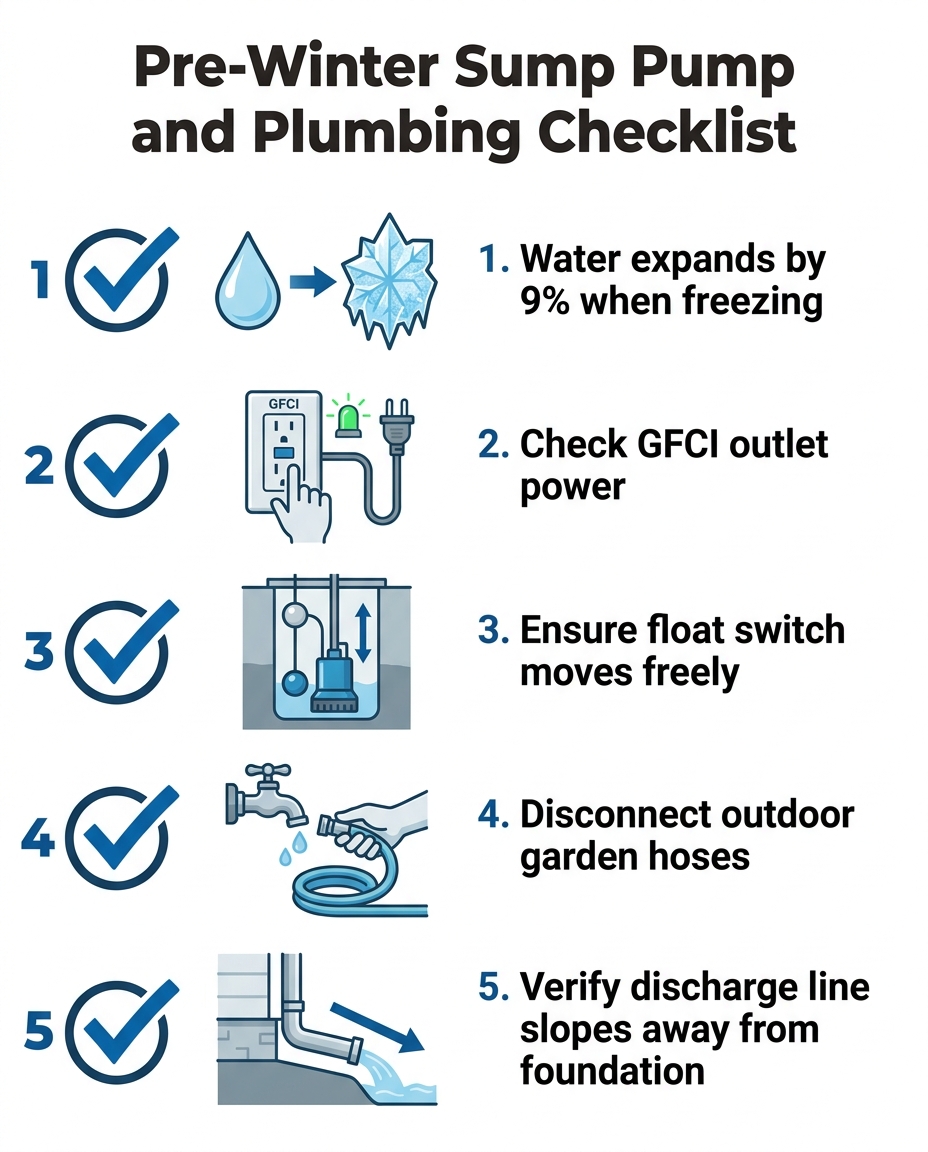
Water expands by approximately 9 percent when it freezes, creating immense pressure inside your pipes. If you are gathering essential home maintenance tips and troubleshooting strategies, understanding this simple law of physics is the most important place to start. When water turns to ice inside an enclosed space, the expansion forces the remaining liquid water toward closed valves, causing a massive spike in hydraulic pressure. This pressure is exactly what causes exposed basement pipes to burst and discharge lines to crack open when properties are left unprepared.
Central Illinois weather transitions quickly, often shifting from mild autumn afternoons to severe cold snaps in a matter of hours. In our experience serving Jacksonville, the HRI Plumbing team has found that understanding which plumbing fixtures are vulnerable to these sudden shifts is the first step to protecting your home. Taking preventive action before the freeze ensures your basement stays dry, your foundation remains secure, and your mechanical systems function properly when you need them most. If you require assistance with your system, exploring comprehensive residential plumbing services or scheduling professional sump pump repair and replacement is the safest way to secure your property.
The danger of dropping temperatures lies in the areas of your home you rarely inspect. Unfinished basements, crawlspaces, and exterior walls often lack the ambient heat necessary to keep water flowing freely. When overnight temperatures dropping below 32°F become the norm, any residual water sitting in an uninsulated pipe or an improperly sloped exterior line becomes a serious liability. Homeowners who take a proactive approach to their plumbing infrastructure can avoid the catastrophic water damage that typically follows a ruptured line.
Why Discharge Lines Freeze and How to Prevent It
The Problem: Sump pump discharge lines are designed to carry groundwater safely away from your foundation. However, because these lines exit the warm interior of the home and travel outdoors, they are highly susceptible to the elements. If the pipe is not properly sloped, residual water pools inside the line instead of draining away. During mid-fall / October pre-winter prep, this pooled water is a ticking time bomb.
The Cause: When temperatures drop below freezing, that stagnant water turns to ice, creating a solid blockage. A pattern we see often on emergency calls is that once the line is blocked, the pump in your basement will still attempt to push water out. Because the water has nowhere to go, it backs up into the pit. The pump motor will continue to run continuously against the blockage, which rapidly causes the motor to overheat and burn out, ultimately leading to a flooded basement.
The Solution: Preventing a frozen discharge line requires proper grading and exterior maintenance. Ensure that the line directs water at least 10 to 20 feet away from the foundation on a continuous downward slope. Gravity must be able to pull every drop of water out of the pipe after the pump cycles off. Additionally, remove any attached summer hoses or temporary flexible extensions from the rigid discharge pipe before freezing weather arrives, as these corrugated hoses trap water easily and freeze quickly.
Working with professionals who understand local plumbing codes is crucial here. Proper, code-compliant discharge line routing ensures that your exterior pipes maintain the correct pitch and diameter to prevent winter freezing, protecting both your property and your neighborhood's drainage infrastructure.
The Physics of Ice Blockages in Plumbing
Ice does not form uniformly inside a pipe. It forms at the coldest exposure points first, which is usually at the very end of the discharge line where the wind chill is highest. Once a partial blockage occurs at the exit point, the subsequent water pumped out of the basement hits the ice, slows down, and freezes as well. This creates a compounding effect, where the ice blockage rapidly grows backward up the pipe toward your house. By the time you notice a problem in the basement, the entire exterior line may be frozen solid.
• Properly pitched, rigid PVC exiting 10+ feet away — Winter Risk Level: Low Risk — Expected Outcome During Freezes: Water drains completely between pump cycles; line remains clear.
• Corrugated flexible hose left attached on flat ground — Winter Risk Level: High Risk — Expected Outcome During Freezes: Water pools in ridges, freezes solid, and blocks subsequent pumping.
• Pipe discharging directly against the foundation wall — Winter Risk Level: Severe Risk — Expected Outcome During Freezes: Water freezes near the wall, expanding into foundation cracks.
Diagnosing Common Sump Pump Power and Switch Failures
Before the severe cold sets in, verifying that the mechanical and electrical components of your basement drainage system are fully operational is essential. When overnight temperatures dropping below 32°F arrive, you need absolute confidence that the system will activate when groundwater levels rise. Based on our years of troubleshooting basement drainage systems, here is a safe, diagnostic breakdown of what to check when a system fails to operate.
1. Verify the Power Supply and GFCI Outlet: Sump pumps must be plugged into a Ground Fault Circuit Interrupter (GFCI) outlet to protect against electrical shocks in wet environments. However, these outlets are highly sensitive and can trip during severe fall thunderstorms or minor power surges. If the pump is completely unresponsive, test the outlet by pressing the "Reset" button or plugging in a small lamp to confirm power is flowing.
2. Inspect the Float Switch Mobility: The float switch is the mechanism that tells the pump when to turn on. As water rises in the pit, the float rises with it. Often, the vibration of the pump running can cause the unit to slowly rotate inside the basin, eventually pinning the float switch against the sidewall. Carefully look into the pit to ensure the float can move up and down completely unimpeded.
3. Listen for Motor Humming: If you lift the float switch to manually activate the pump and hear a low humming sound but see no water moving, the impeller is likely jammed. Small rocks, sediment, or debris can get sucked into the intake screen at the bottom of the pit, preventing the impeller blades from turning. The motor hums because it is drawing electricity but physically cannot spin.
4. Evaluate the Check Valve: The check valve is installed on the vertical PVC pipe rising out of the pump. Its job is to prevent water from flowing backward into the pit after the pump turns off. If you hear the pump run, shut off, and then immediately hear a rush of water pouring back into the basin, the valve has failed. This forces the pump to work twice as hard. Understanding sump pump check valve failures is critical for extending the lifespan of your equipment.
These safe diagnostic steps help identify the root cause of a failure without requiring you to disassemble the unit or handle internal electrical wiring near standing water.
Integrating Sump Pump Checks with Fall Pipe Protection
Sump pump maintenance should never be performed in isolation. It must be part of a comprehensive fall plumbing inspection. Central Illinois fall preparation requires checking all basement and crawlspace vulnerabilities simultaneously. A pattern our plumbers see often is that a failure in one area impacts the rest of the home's infrastructure. Treating your mid-fall / October pre-winter prep as a holistic process guarantees better protection against the cold.
Here is a comprehensive checklist for securing your plumbing infrastructure before the winter weather fully arrives:
• Disconnect all outdoor garden hoses: Leaving a hose attached to an exterior bib traps water inside the fixture. When that water freezes, the ice expands backward into the home's plumbing, often rupturing the pipe just inside the basement wall.
• Insulate exposed vulnerable pipes: Locate water supply lines running through unheated spaces, such as crawlspaces, garages, or unfinished basements. Wrap these pipes in high-quality tubular foam insulation or fiberglass pipe sleeves to create a thermal barrier against freezing air drafts.
• Clear the basement floor drain: Ensure the main floor drain in your basement is completely free of storage boxes, lint, and debris. If a pipe does leak or the pump overflows, water must have an unobstructed path to the floor drain. Professional professional drain cleaning can ensure this backup drainage route is clear.
• Maintain ambient basement temperatures: Do not completely shut off the heat to your basement or crawlspace during the winter. Keeping the ambient temperature at a minimum of 55°F provides crucial radiant heat to the pipes running along the cold concrete foundation walls.
• Clean the sump pit: Remove any accumulated mud, gravel, or debris from the bottom of the basin to prevent the pump's intake screen from clogging during heavy winter snowmelts.

Setting Safe Boundaries: When to Call an Emergency Plumber
While proactive maintenance is highly encouraged, our team at HRI Plumbing wants to clearly define the threshold between safe DIY troubleshooting and situations that require a licensed professional. Water and electricity are a dangerous combination, and crossing the line into complex mechanical repairs can result in severe injury or extensive property damage.
What is safe to handle: Homeowners can safely reset tripped GFCI outlets, clear visible debris from the bottom of the basin, test the mobility of the float switch with a broom handle, and walk the exterior property to check the discharge line slope. These tasks involve observation and exterior adjustments that do not require specialized tools or dismantling the unit.
When to call a professional: Any internal motor repairs, electrical wiring issues, or deep plumbing alterations require a licensed professional. If you diagnose a jammed impeller, a burnt-out motor, or a failed check valve, the unit must be properly disconnected and serviced. Furthermore, if an exterior discharge line is completely frozen solid and water is actively backing up into the basement, professional thawing equipment is necessary to safely clear the line without cracking the PVC pipe.
Attempting complex repairs without proper training can void manufacturer warranties and significantly increase the risk of electrical shock. When overnight temperatures dropping below 32°F cause a sudden system failure, relying on emergency plumbing in Jacksonville ensures the problem is resolved safely, correctly, and in compliance with all local building codes.
Frequently Asked Questions About Sump Pump Troubleshooting
Why is my sump pump not working but has power?
A pump that has power but fails to operate is often caused by a stuck float switch, a jammed impeller, or a failed check valve. If the float switch is pinned against the side of the basin, it cannot rise to signal the motor to turn on. Alternatively, if debris has been sucked into the intake screen, the impeller blades may be physically jammed, causing the motor to hum without moving any water. During mid-fall / October pre-winter prep, clearing the basin of debris is the best way to prevent this issue.
How do I fix a frozen sump pump discharge line?
If your discharge line is frozen, use a portable space heater to gently warm the exposed indoor section of the pipe, but never use an open flame or blowtorch, as this will melt the PVC and create a fire hazard. For exterior blockages, you can attempt to pour warm (not boiling) water over the end of the pipe to slowly melt the ice. If the blockage is severe or located deep underground, you must call a licensed plumber with professional thawing equipment to safely clear the line.
What to do if a Drummond sump pump is not working?
First, check the power source to ensure the GFCI outlet has not tripped. Next, inspect the float switch for physical obstructions that might prevent it from rising with the water level. Finally, disconnect the unit from power and safely clear the intake screen of any accumulated mud or gravel. If these basic diagnostic steps do not restore functionality, the internal motor or capacitor may have failed, requiring professional service.
Can I fix my sump pump myself?
You can perform basic maintenance like clearing debris from the pit, checking the power supply, and ensuring the exterior discharge line is properly sloped. However, electrical repairs, motor replacements, and altering internal plumbing mechanisms require a licensed plumber. Attempting to open the motor housing or rewire the unit yourself poses a severe risk of electrical shock and will likely void the manufacturer's warranty.
How do I know if my sump pump is broken?
Signs of a broken system include strange grinding noises, the motor running continuously without actually pumping water, or a complete failure to activate when the pit is full. You might also notice a strong burning electrical smell if the motor has seized and overheated. If you observe any of these symptoms, disconnect the power immediately to prevent further damage to the unit.
How often should I test my sump pump before winter?
You should test your system at least once during your mid-fall / October pre-winter prep, and ideally once a month throughout the year. To test it, simply pour a bucket of water slowly into the pit until the float switch rises. The pump should activate immediately, drain the water quickly, and shut off without excessive vibration or noise. Regular testing ensures you are never caught off guard during a sudden freeze or thaw cycle.
Secure Your Home's Plumbing Before the Cold Arrives
A properly functioning drainage system and well-protected pipes provide incredible peace of mind during harsh, unpredictable winters. Taking the time now to inspect your system, insulate vulnerable lines, and complete a clear maintenance checklist prevents costly water damage later. When overnight temperatures dropping below 32°F threaten your property, you want to know your home is ready. If you notice any signs of mechanical failure or need expert help preparing your system, local professionals are ready to assist with reliable sump pump repair and replacement.


