



Why Understanding Energy Efficient Water Heater Options Explained Can Cut Your Bills Significantly
If you've been looking to get energy efficient water heater options explained in plain terms, here's a quick breakdown before we dive deeper:
The main energy-efficient water heater types available today:
| Type | How It Works | Best For |
|---|---|---|
| Heat Pump (Hybrid) | Moves heat from air into water | Most households replacing electric models |
| Tankless (On-Demand) | Heats water only when needed | Lower-use homes, space-limited installs |
| Solar | Uses sunlight via roof collectors | Sunny climates with backup system |
| Condensing | Recaptures exhaust heat (gas) | Large homes on natural gas |
| High-Efficiency Storage Tank | Improved insulation and burners | Budget-conscious upgrades |
Water heating quietly accounts for roughly 14 to 18 percent of your home's total energy use. That's more than your refrigerator, dishwasher, clothes washer, and dryer combined. Yet for most homeowners in Jacksonville, Springfield, and Rushville, IL, the water heater gets almost no attention — until it fails, starts costing more to run, or both.
The core problem with older, standard models is something called standby energy loss — your heater constantly burns energy keeping a full tank of water hot, even at 2 a.m. when nobody's showering. Multiply that waste over months and years, and the numbers add up fast.
The good news? In May 2026, the options for replacing or upgrading your water heater are better than ever — more efficient, more affordable thanks to available incentives, and better suited to real-world home needs than older technology.
Relevant articles related to energy efficient water heater options explained:
Energy Efficient Water Heater Options Explained: Comparing Modern Systems
When we talk about getting energy efficient water heater options explained, the first thing we have to look at is how the industry measures "efficiency." In the past, you might have heard of "Energy Factor," but today we use the Uniform Energy Factor (UEF). Think of this like a car's MPG; the higher the number, the more hot water you get for every dollar spent on fuel.
Choosing the right system often starts with what’s already in your home. Are you currently using natural gas, or is your home strictly electric? In Jacksonville and Springfield, many homes have natural gas lines, which historically offered lower operating costs. However, as of May 2026, modern electric heat pump models have become so efficient that they often beat gas models in total savings, even in areas where gas rates are relatively low.
Before you make a snap decision during a plumbing emergency, it's worth reviewing a Tankless vs Tank Water Heater Comparison to see which footprint fits your home. If you’re living in an older home, you might also find our Water Heater Replacement Guide Jacksonville IL helpful for navigating local installation requirements.
How Heat Pump Water Heaters Work as the Most Efficient Choice
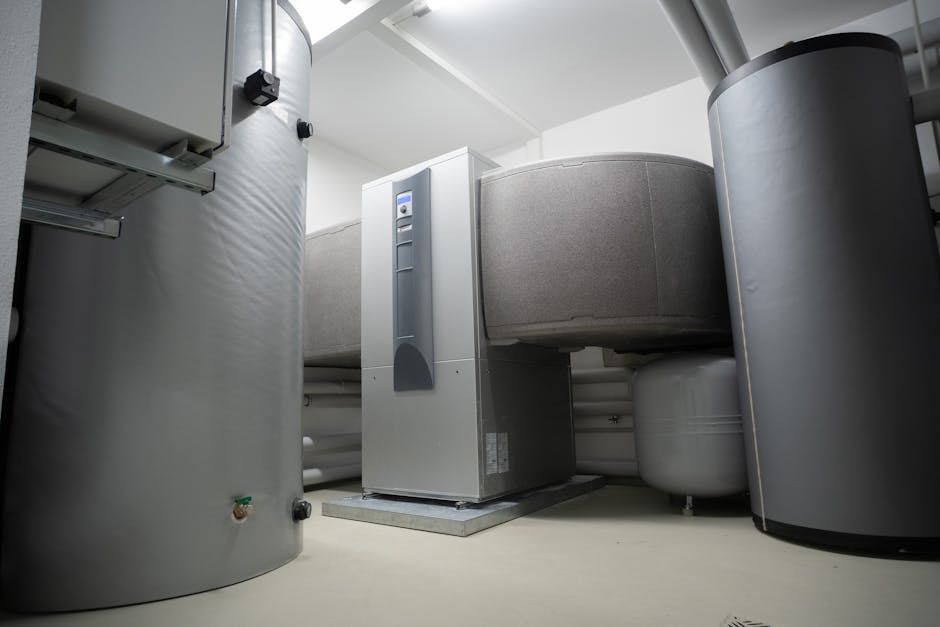
If there is a "superstar" in energy efficiency right now, it is the Heat Pump Water Heater (HPWH), often called a "Hybrid" water heater.
Instead of creating heat through a high-resistance electric coil (like a giant toaster inside a tank), these units move heat from the surrounding air into the water. It works like a refrigerator but in reverse. Because it’s moving heat rather than creating it, these units can reach efficiencies of 300% to 400%. That’s not a typo—they literally provide three to four times more energy in the form of hot water than they consume in electricity.
Why we love heat pump models for Illinois homes:
- Massive Savings: A household of four can save approximately $600 per year on electric bills compared to a standard model.
- Dehumidification: As a byproduct of moving heat, these units pull moisture out of the air. If you have a damp basement in Rushville, this unit acts as a built-in dehumidifier.
- Hybrid Versatility: They still have standard heating elements for "high demand" modes, like when you have houseguests and everyone needs a shower back-to-back.
- Environmental Impact: Switching to a heat pump model saves about one ton of greenhouse gas emissions annually.
Energy Efficient Water Heater Options Explained: The Benefits of Tankless Systems
For many of our customers, the dream is "endless hot water." This is where tankless systems shine. Unlike a storage tank that can run dry, a tankless unit heats water on demand as it flows through a high-powered heat exchanger.
One of the biggest advantages is the elimination of standby heat loss. Since there is no tank of water being kept hot all day, you aren't paying to heat water while you're at work or sleeping. This makes them 24% to 34% more energy efficient for homes that use 41 gallons or less of hot water daily.
Beyond the energy savings, many homeowners appreciate how Tankless Water Heaters Free Up Storage Space. These units are about the size of a suitcase and mount on the wall, which is a game-changer for smaller utility rooms. To learn more about the technical side, check out our Tankless Water Heaters Complete Guide or see how Tankless Waters Heaters Can Help Lower Utility Costs over their 20-year lifespan.
Solar and Condensing Models for High-Demand Households
While heat pumps and tankless units get most of the spotlight, there are two other energy efficient water heater options explained that might be perfect for specific situations.
Solar Water HeatersThese systems use solar collectors, usually mounted on the roof, to pre-heat water using the sun’s energy. In Illinois, these always require a backup system (usually electric or gas) for those cloudy winter weeks. While they have a high upfront cost, they offer the lowest possible operating costs once installed.
Condensing Water HeatersIf you have a large family and a home already set up for natural gas, a condensing water heater is a powerhouse. Traditional gas heaters lose a lot of heat through the exhaust vent. A condensing unit captures those hot exhaust gases and "recycles" that heat to help warm the water. They can improve fuel efficiency to 90% or higher, making them much more efficient than a standard gas tank. You can find more tips on matching these to your house in our guide on How to Choose the Right Water Heater.
Key Factors for Choosing the Right Energy Efficient Water Heater Options Explained
Choosing a water heater isn't just about picking the most efficient model on the shelf; it has to fit your life and your home's layout. Here are the four "Big Factors" we always discuss with our clients:
- Household Size and Peak Demand: We don't just look at the tank size (gallons); we look at the First-Hour Rating (FHR). This tells us how much hot water the unit can deliver during a busy morning when the shower, dishwasher, and laundry are all running.
- Climate and Location: Heat pump water heaters need to be in a space that stays between 40°F and 90°F. If you plan to install it in an unheated garage that freezes in the winter, it won't be able to operate in its most efficient mode.
- Air Volume: Heat pumps need about 700 to 1,000 cubic feet of air space to "breathe" properly. If you’re putting it in a tiny closet, we might need to install louvered doors to ensure it gets enough air.
- Maintenance Needs: Every high-efficiency system requires a little love. Tankless units need annual descaling (especially with the hard water we sometimes see in Springfield), and heat pumps have air filters that need a quick cleaning every few months.
If you’re currently nursing an old unit along, it’s a good idea to ask, "Should I Repair or Replace My Water Heater?" before an emergency leak makes the choice for you.
Conclusion: Upgrading Your Home with Expert Local Support
Upgrading to a high-efficiency system is one of the smartest investments you can make for your home in 2026. Between the lower monthly utility bills and the significant federal tax credits (like the 30% credit up to $2,000 for heat pumps), these units often pay for themselves much faster than people realize.
At HRI Plumbing, we’ve spent years helping neighbors in Jacksonville, Springfield, and Rushville find the perfect balance between comfort and cost. Whether you need a 24/7 emergency repair or you’re planning a proactive upgrade to a tankless system, our team is here to provide honest, reliable service with integrity.
System Lifespan Comparison
| Water Heater Type | Expected Lifespan |
|---|---|
| Standard Electric Tank | 10–12 Years |
| Standard Gas Tank | 8–12 Years |
| Heat Pump (Hybrid) | 13–15 Years |
| Tankless (On-Demand) | 20+ Years |
| Solar Water Heater | 20+ Years |
Ready to stop overpaying for hot water? We can help you navigate the rebates and installation requirements for all the energy efficient water heater options explained today. Contact us for expert Water Heater Repair and Replacement Services and let’s get your home running more efficiently.


