



Which Is Better for Your Home: Gas vs Electric Water Heater?
When it comes to gas vs electric water heater which is better for your home, the honest answer is: it depends on your existing setup, your household's hot water needs, and your local utility rates. That said, here's a quick breakdown to help you decide fast:
| Factor | Gas Water Heater | Electric Water Heater |
|---|---|---|
| Upfront cost | Slightly higher | Lower |
| Operating cost | Lower in most regions | Higher (except heat pump) |
| Recovery speed | Faster (20-45 gal/hr) | Slower (18-25 gal/hr) |
| Lifespan | 8-12 years | 10-15 years |
| Works during power outage | Often yes (older models) | No |
| Best for | High-demand households with gas lines | All-electric homes or lower demand |
| Efficiency | 60-70% | 90-95% (electric resistance) |
Water heating accounts for roughly 17-18% of your home's total energy use — making this one of the most important appliance decisions you'll make. Whether you're replacing a failing unit in Jacksonville, upgrading a system in Springfield, or planning new construction in Rushville, the gas vs. electric question comes up every single time.
Both types have real advantages. Both have real trade-offs. And the wrong choice — especially if it means expensive infrastructure upgrades — can cost you far more than the appliance itself.
This guide walks you through everything you need to know to make a confident, informed decision for your Illinois home.

Essential gas vs electric water heater which is better terms:
Gas vs Electric Water Heater Which Is Better for Illinois Homes?
Deciding on a water heater requires looking closely at your household demand, fuel sources, and regional utility dynamics. Under the May 2026 standards, modern units on both sides of the aisle are more efficient than ever, but how they perform in Central Illinois climates depends heavily on how they operate.
In places like Springfield and Jacksonville, the choice is often dictated by whether your home already has access to a natural gas line or is strictly set up for electricity. Let's look at the core differences in how these two fuel sources stack up when it comes to keeping your showers hot and your energy bills manageable.
How Gas and Electric Systems Heat Your Water
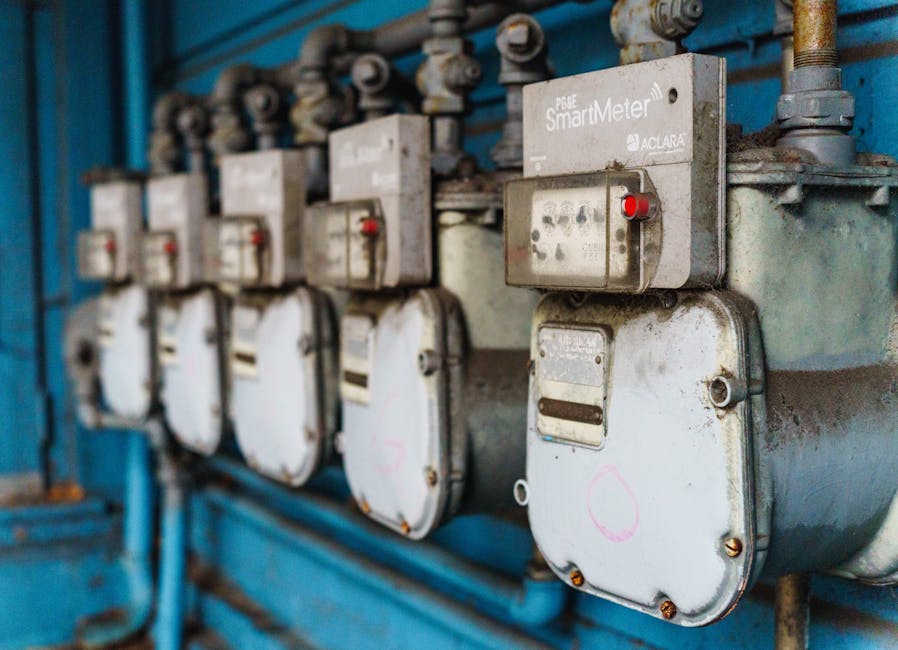
The fundamental difference between these two systems lies in their heating mechanisms. A gas water heater uses a burner mechanism at the bottom of the tank. When the thermostat detects a drop in water temperature, natural gas or propane flows to the burner, where a pilot light or electronic ignition sparks a flame to heat the bottom of the tank. This process requires a venting system to safely direct combustion byproducts, like carbon monoxide, out of your home.
An electric water heater, on the other hand, relies on electrical resistance elements positioned inside the tank. When the water needs heating, electricity flows through these elements, converting nearly 100% of the energy directly into heat.
Because there is no combustion, electric models require no venting systems, making them incredibly flexible for tight spaces or closets. However, they are vulnerable during power outages; if the electricity goes out, you will quickly run out of hot water. Traditional gas models with standing pilot lights can still heat water without electricity, though modern high-efficiency gas models with electronic ignitions may still require a small amount of electricity to operate. For a deeper look at your options, check out our guide on How to Choose the Right Water Heater.
Comparing Recovery Times: Gas vs Electric Water Heater Which Is Better for Busy Families?
If your household has multiple people showering back-to-back while the dishwasher is running, recovery rate and first-hour rating (FHR) are critical. The recovery rate tells you how many gallons of water the heater can warm up in one hour.
This is where gas units truly shine:
- Gas Recovery Rate: Gas water heaters typically recover at a rate of 20 to 45 gallons per hour.
- Electric Recovery Rate: Standard electric units recover at a slower rate of 18 to 25 gallons per hour.
Because gas burns incredibly hot, it can heat water almost twice as fast as electric resistance elements. This high recovery speed means a 40-gallon gas unit can often keep pace with a 50-gallon electric unit during peak usage times. If you have a busy family in Springfield or Rushville, a gas model is usually better equipped to handle simultaneous demand without leaving the last person in line with a freezing shower. To understand why storage tanks remain so popular despite newer technologies, read about Why Some People Still Buy Traditional Water Heaters.
Infrastructure Requirements: Gas Lines vs. Electrical Capacity
Before choosing a model, you must evaluate your existing home infrastructure. If you are replacing an old gas unit with another gas unit, the transition is straightforward. However, switching fuel types can be complex and labor-intensive:
- Switching from Gas to Electric: This requires capping off the old gas line, sealing up the ventilation pipe, and running a dedicated 240-volt, 30-amp circuit from your electrical panel to the water heater. If your electrical panel is already at capacity, you may need a costly panel upgrade.
- Switching from Electric to Gas: This is even more complex. You must run a new gas line from your main meter to the utility closet and install a proper venting system through your roof or outer wall to safely exhaust combustion gases.
For most homeowners in Jacksonville and Springfield, sticking with your existing infrastructure is the most practical and cost-effective path unless you are undergoing a major home renovation.
Energy Efficiency and Environmental Impact
When comparing energy efficiency, electric water heaters convert nearly all the energy they consume directly into heat, giving them a high Energy Factor (EF). Standard electric tanks have an EF of 0.90 to 0.95, while traditional gas models have an EF of 0.53 to 0.70 because they lose energy through standby loss and venting.
However, high-efficiency electric options can achieve even higher ratings. You can learn more about these ratings by reading our article on Energy-Efficient Water Heater Options Explained.
From an environmental standpoint, the comparison depends on your local energy grid. In areas where electricity is generated from fossil fuels, an electric water heater still carries an indirect carbon footprint. If your home utilizes solar panels, an electric model is the clear winner for reducing greenhouse gas emissions.
Lifespan and Maintenance: Gas vs Electric Water Heater Which Is Better for Long-Term Reliability?
The operating complexity of gas water heaters—combustion stress, venting exposure, and high burner temperatures—means they generally have a shorter lifespan.
- Gas Water Heater Lifespan: Typically 6 to 12 years.
- Electric Water Heater Lifespan: Typically 10 to 15 years.
Both systems require regular maintenance to maximize their lifespans. Mineral sediment from our local Illinois water supplies settles at the bottom of the tank over time, creating an insulating layer that forces the heating elements or burner to work harder.
To combat this, we recommend annual sediment flushing. Additionally, both types use an sacrificial anode rod to attract corrosive elements away from the steel tank walls. This rod should be inspected and replaced every 3 to 5 years. If you are trying to decide if your aging unit is worth saving, take a look at our guide: Should I Repair or Replace My Water Heater?.
When to Consider Tankless or Hybrid Heat Pump Upgrades
If you are looking to move away from traditional storage tanks, two highly efficient options stand out:
- Tankless Water Heaters: These units provide on-demand heating, heating water only when a tap is turned on. This eliminates standby energy loss entirely. While gas tankless units require larger gas lines and electric tankless units require massive electrical capacity, they offer space savings and can last 20 to 25 years. For a side-by-side comparison, check out our Tankless vs. Tank Water Heater Comparison.
- Hybrid Heat Pump Water Heaters: These units pull heat from the surrounding air and transfer it into the water tank. They are highly energy-efficient, using up to 60-70% less electricity than standard resistance models. While they require adequate air space and condensate drainage, they are excellent for homeowners looking to lower their long-term operating costs.
Conclusion
Whether you choose gas or electric, the key to a reliable, long-lasting hot water supply is professional installation and regular upkeep. At HRI Plumbing, we provide top-tier Jacksonville plumbing services, Springfield water heater repair, and Rushville plumbing solutions tailored to your home's unique needs. Our expert technicians are dedicated to providing same-day service with the honesty and integrity you deserve.
If you are ready to upgrade your system or need a professional assessment of your current unit, Schedule professional water heater repair or replacement with HRI Plumbing today.


