



Why Knowing How to Spot Plumbing Problems Early Can Save You Thousands
Knowing how to spot plumbing problems early is one of the smartest things you can do as a homeowner in central Illinois. Small issues — a slow drain, a faint musty smell, a water bill that crept up — can quietly turn into burst pipes, mold damage, or a sewer line failure before you ever see a single drop of water on the floor.
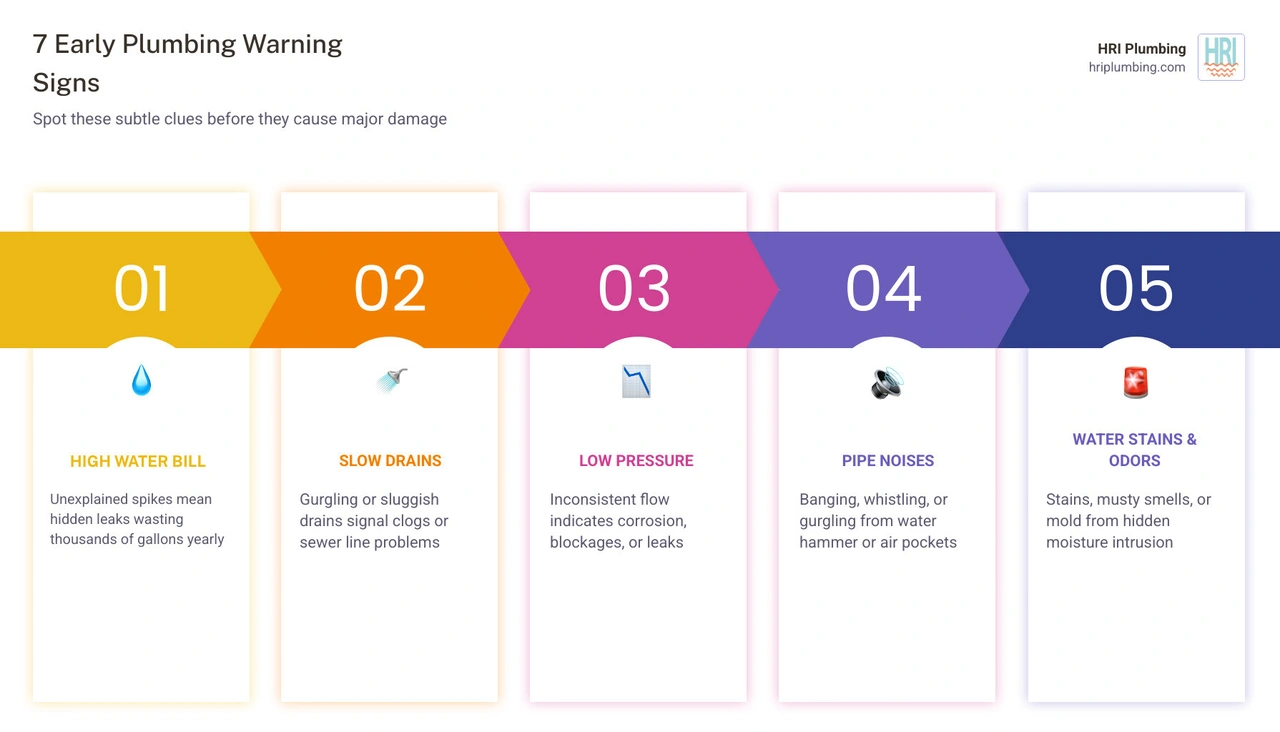
Here are the most common early warning signs to watch for:
- Unexplained spike in your water bill — hidden leaks waste thousands of gallons without a single visible drip
- Slow or gurgling drains — often the first sign of a developing clog or sewer line issue
- Low or inconsistent water pressure — can signal pipe corrosion, blockages, or a hidden leak
- Strange pipe noises — banging, whistling, or gurgling point to water hammer, air pockets, or partial blockages
- Water stains on walls, ceilings, or floors — even faint discoloration means moisture is getting somewhere it shouldn't
- Musty odors or visible mold — moisture from a hidden leak creates the perfect environment for mold growth
- Water heater changes — rumbling sounds, rusty water, or shorter hot water supply signal sediment buildup or a failing unit
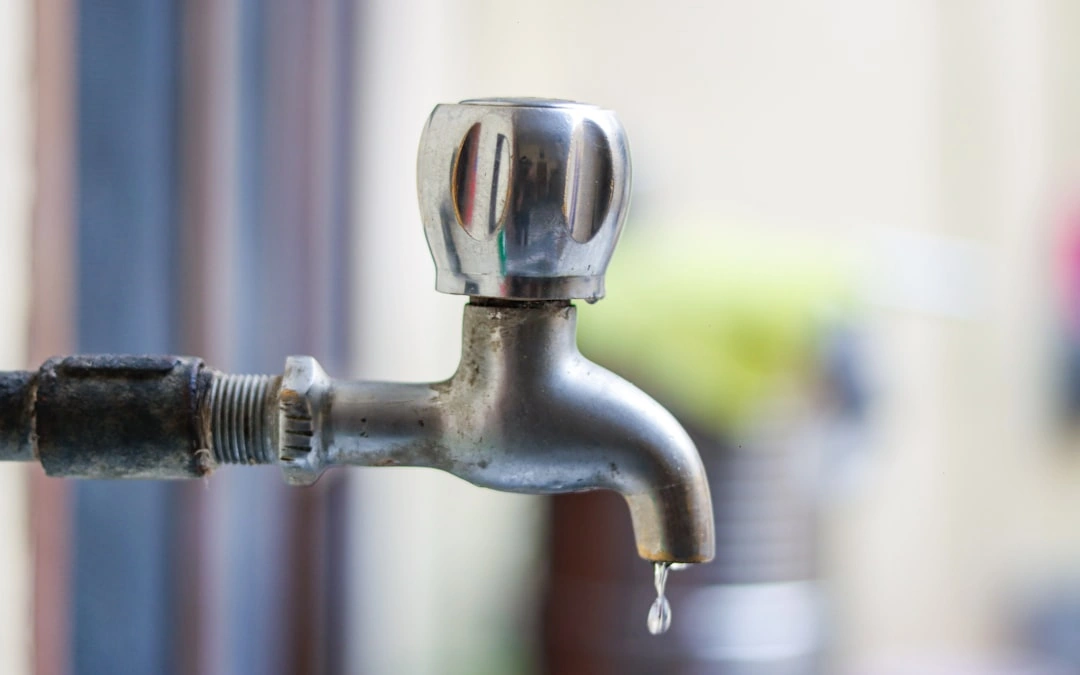
Most plumbing problems don't start with a dramatic flood. They build gradually — a slow drip here, a gurgling drain there — until the damage becomes impossible to ignore. Consider this: a single faucet dripping once per second wastes over 3,000 gallons of water per year. A running toilet can burn through 200 gallons every single day. And one family returning from a three-week vacation discovered a minor toilet leak had released more than 30,000 gallons into their home — ruining furniture, flooring, and making the house temporarily uninhabitable.
For homeowners in Jacksonville, Springfield, and Rushville, IL, catching these signs early means the difference between a quick fix and a costly emergency repair.
How to Spot Plumbing Problems Early in Your Illinois Home
Living in Central Illinois means our plumbing systems deal with more than just daily wear and tear. As of April 2026, we’ve seen how our local climate—from the deep freezes in Springfield to the heavy spring rains in Jacksonville—can put immense pressure on pipes. Seasonal factors play a massive role in how issues manifest. For instance, a pipe that slightly cracked during a winter freeze might not show its "true colors" until the ground thaws and water pressure shifts in the spring.
To help you stay ahead of the game, we’ve put together a guide on how to spot plumbing problems early by looking for the subtle shifts in your home’s performance.
Visual and Seasonal Warning Signs
Sometimes the signs are staring you in the face, but they are so small we tend to dismiss them. Have you noticed a bit of green or white crusty buildup on your showerhead? That could be signs you have hard water in your home, which leads to mineral deposits that eventually clog your pipes.
| Minor Sign (Keep an Eye Out) | Major Sign (Call Us Now) |
|---|---|
| Single slow-draining sink | Multiple drains backing up simultaneously |
| Occasional "thump" in the walls | Constant banging or rattling when water is off |
| Faint musty smell in the basement | Visible mold growth or "squishy" drywall |
| Water bill up by a few dollars | Water bill doubled with no change in usage |
| Pilot light on water heater flickers | Rusty water or no hot water at all |
Why is my water bill suddenly so high?
It is a common scenario: you open your monthly utility statement and see a number that makes your heart skip a beat. If your household habits haven't changed—no houseguests, no filling the swimming pool, no extra loads of laundry—you are likely looking at a "telltale heart" indicator of a lurking plumbing disaster.
When your water bills are rising you may need leak detection services to find the culprit. Often, the issue is a running toilet, which can waste 200 gallons a day, or a leaky garbage disposal. However, if you've noticed your water bills keep rising steadily over several months, the leak might be hidden behind a wall or under your home's foundation.
How to Spot Plumbing Problems Early Using Your Water Meter
If you suspect a leak but can't see any puddles, your water meter is your best friend. This is one of the most effective ways to confirm signs of hidden leaks in your plumbing system.
To perform a DIY meter test:
- Turn off every faucet and water-using appliance in your home (including the dishwasher and ice maker).
- Locate your water meter.
- Watch the "leak indicator" (often a small triangular dial or a digital display).
- If it's moving, you have an active leak.
If the meter shows usage even when everything is off, you might be dealing with warning signs of hidden slab leaks. These occur under the concrete foundation of your home and are particularly dangerous because they can erode the soil beneath your house, leading to structural cracks.
What do these strange pipe noises mean?
Your plumbing should be relatively quiet. If your pipes start "talking" to you, it’s time to listen. Strange noises in your water pipes are rarely a good sign.
- Banging or Knocking: Known as "water hammer," this occurs when a valve closes suddenly and the rushing water has nowhere to go, causing the pipes to jerk and hit the wall studs. Over time, this vibration can loosen joints and lead to bursts.
- Gurgling: This often happens when air is trapped in the lines or when a drain is partially blocked. It’s a common precursor to solving low water pressure issues.
- Whistling or Squealing: This usually points to a faulty shower valve or a pressure-reducing valve that is failing. High pressure might feel great in the shower, but it’s like high blood pressure for your home—it wears out your pipes and appliances prematurely.
Why are my drains slowing down?
A slow drain is more than just a nuisance; it’s a warning. If only one sink is slow, it’s likely a local clog of hair or soap scum. But if you have multiple slow drains throughout your Jacksonville or Springfield home, you are likely looking at signs that you might need a sewer line repair.
You should also be wary of "sewer gas" smells. Every drain has a P-trap—a U-shaped pipe designed to hold a small amount of water that acts as a seal against sewer gases. If a guest bathroom isn't used often, the water can evaporate, letting smells in. However, if the smell persists after running water, you need to spot early signs of sewer line issues like cracks or tree root intrusion. For those on septic tank plumbing, these odors can also mean your tank is full or failing.
Are these water stains a sign of a leak?
By the time a water stain appears on your ceiling or wall, the leak has likely been active for weeks. These stains are a primary indicator that you may need to invest in a whole home re-pipe, especially in older homes with galvanized steel pipes that are corroding from the inside out.
Ignoring these stains is a recipe for disaster. There are significant dangers in ignoring slab leak warning signs and wall leaks, including:
- Mold and Mildew: Mold can begin growing within 24 to 48 hours of moisture exposure. If you smell a musty odor but don't see water, the mold is likely thriving behind your drywall.
- Structural Damage: Water weakens wood framing and can cause drywall to crumble.
- Electrical Hazards: Water and electricity don't mix. A leak near a junction box or outlet is an immediate fire risk.
How to Spot Plumbing Problems Early with Your Water Heater
Your water heater is the unsung hero of your home, but it has a finite lifespan (usually 8 to 12 years). Knowing the signs that it’s time to replace your water heater can save you from waking up to a flooded basement.
If your water heater is making unusual sounds—like popping, rumbling, or banging—it’s usually due to sediment buildup. In areas like Rushville, where mineral content in the water can be high, this sediment settles at the bottom of the tank, trapping water beneath it. As the water boils, it "pops" through the sediment layer. This makes your heater less efficient and eventually causes the tank to crack.
Watch out for these other red flags:
- Water heater leaking from the bottom of the tank.
- The unit is not producing enough hot water for a standard shower.
- The unit is not heating at all, which could be a failed heating element or thermostat.
Protect Your Property with Proactive Plumbing Care
At HRI Plumbing, we believe that an ounce of prevention is worth a gallon of cure. Whether you are dealing with persistent toilet clogs or you suspect your sump pump is not working before the next big Illinois storm, our team is here to help.
We offer comprehensive plumbing services across Jacksonville, Springfield, and Rushville, IL. From expert leak detection to emergency sump pump repairs, we provide the reliable, high-quality solutions you need to keep your home safe and dry. We even help with the scary stuff, like making sure you learn about the signs of a potential gas leak.
Don't wait for a small drip to become a major flood. If you’ve noticed any of the warning signs mentioned in this guide, reach out to us today. With our 24/7 support and commitment to honesty and integrity, we'll help you catch those plumbing problems early and protect your home for years to come.
Ready for a professional inspection? Contact HRI Plumbing today for expert service in Springfield, Jacksonville, and Rushville!


