

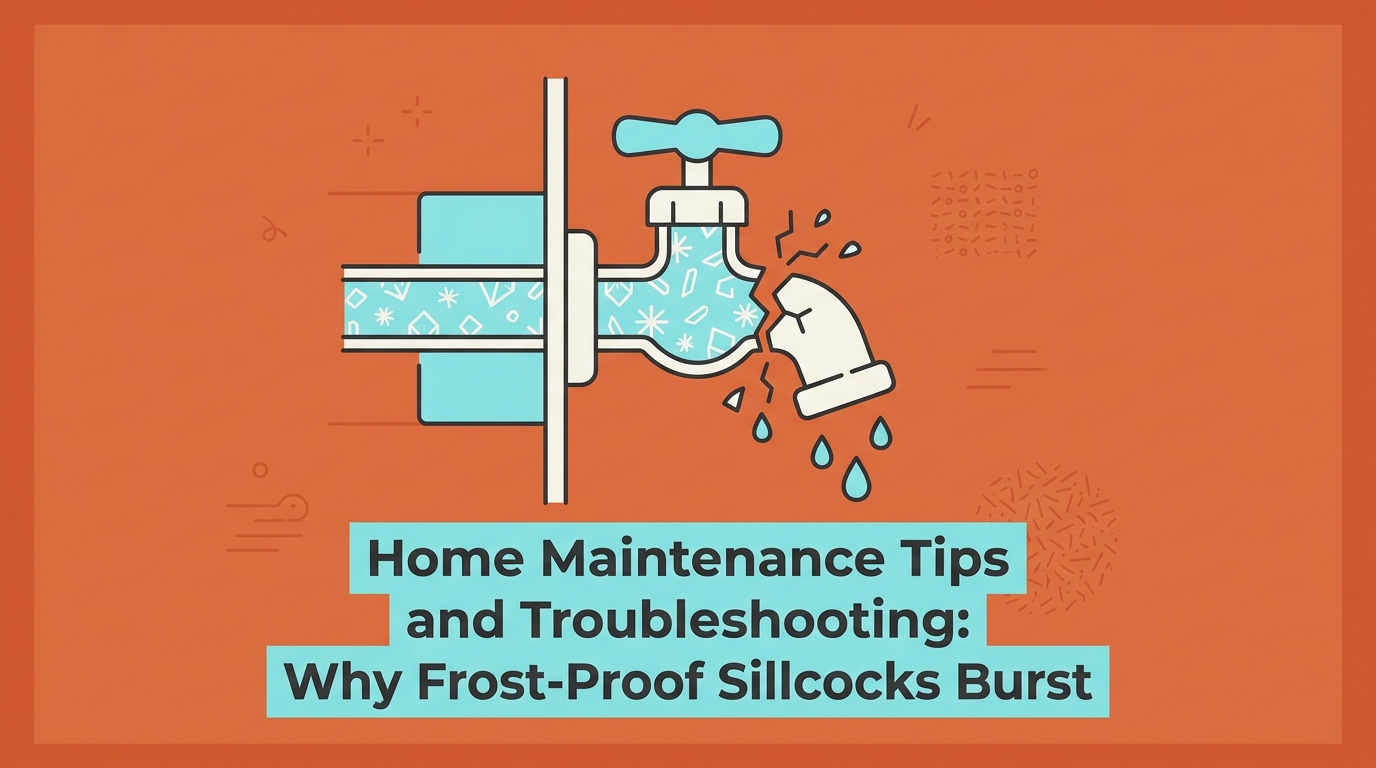


The Hidden Threat of the First Hard Freeze
At HRI Plumbing, our team knows that your outdoor faucet seemed perfectly fine all summer, but that sudden, sharp temperature drop is already putting your pipes to the test. Navigating effective home maintenance tips and troubleshooting requires prioritizing your most vulnerable water management systems before the weather turns entirely. The sudden drop in temperatures that characterizes the October pre-winter freeze often catches homeowners completely off guard, turning a simple forgotten garden hose into a major structural disaster.
For comprehensive support, whether you are looking for professional plumbing services or specialized sump pump repair and replacement, proactive attention is always your best defense against seasonal damage.
In our years serving Central Illinois, we've observed that the rapid temperature drops we experience during mid-to-late October create immediate, severe risks for residential plumbing. Both your outdoor plumbing fixtures and your indoor water management systems require proactive attention before that first hard freeze hits. Many homeowners assume that because their home is equipped with modern outdoor spigots, they are entirely protected from freezing. However, even the most advanced fixtures have mechanical limitations that can be compromised by simple oversights. Understanding why these seemingly protected fixtures fail is the first step in preventing catastrophic water damage.
Understanding the Mechanics of Frost-Proof Sillcocks
To properly maintain your home's exterior plumbing in Jacksonville IL, you first need to understand how these specialized fixtures operate. A frost-proof sillcock—often referred to as a frost-free hose bib or outdoor spigot—is vastly different from a traditional outdoor faucet. While standard faucets house the water shut-off valve right at the exterior handle, a frost-proof sillcock is engineered with a completely different mechanical layout.
The core differences include:
• Valve placement: The actual shut-off valve is located at the end of a long, internal stem, pushing the water barrier deep inside the warm boundary of your house.
• Drainage design: The fixture is installed with a slight downward pitch, allowing any residual water in the front of the pipe to drain out completely when the handle is turned off.
• Airflow utilization: By keeping the water supply safely inside the heated wall cavity, the outer portion of the pipe remains filled only with air, which cannot freeze and expand.
• Valve Location — Traditional Outdoor Faucet: At the exterior handle (exposed to cold) — Frost-Proof Sillcock: Deep inside the warm wall cavity
• Drainage Mechanism — Traditional Outdoor Faucet: None; water remains at the spigot head — Frost-Proof Sillcock: Pitched downward to drain residual water
• Winter Vulnerability — Traditional Outdoor Faucet: Extremely high; freezes easily — Frost-Proof Sillcock: Low, provided the drainage path is clear
The Role of the Internal Valve
The long internal stem is the hero of the frost-proof design. By isolating the pressurized water supply from the freezing outdoor air, this stem ensures that the water sits in a climate-controlled environment. The structural integrity of this internal stem is absolutely critical for your winter protection. If the stem is damaged, bent, or prevented from functioning as engineered, the entire frost-proof mechanism fails. The system relies entirely on gravity to pull the remaining water out of the spout once the valve closes. If that drainage is blocked, the fixture loses its protective capabilities entirely.
The Physics of Failure: Leaving the Garden Hose Connected
A pattern we see often on our fall service calls is that the most common cause of outdoor plumbing disasters during the October pre-winter freeze has nothing to do with a faulty fixture and everything to do with a connected garden hose. To understand why this happens, we have to look at the basic thermodynamics of freezing water.
When water drops below freezing, it undergoes a physical transformation, expanding by approximately 9% in volume. This expansion is not a gentle process; it generates thousands of pounds of pressure per square inch. This immense pressure buildup is more than capable of bursting solid copper and heavy brass plumbing casings.
The Trapped Water Phenomenon:
When you leave a garden hose attached to a frost-proof sillcock, you inadvertently defeat its entire engineering design. The hose traps water inside the sillcock's long internal stem. Because the water cannot drain out through the downward pitch, it sits in the portion of the pipe that is exposed to the freezing outdoor air. As the temperature plummets, the trapped water freezes and expands backward into the pipe.
The "frost-proof" label is strictly conditional on proper usage. The fixture is only frost-proof if it is allowed to drain. The moment a hose, a splitter, or a timer is left attached, the water is held captive. The expanding ice has nowhere to go but outward, eventually fracturing the metal casing of the sillcock. Because this fracture happens behind the exterior wall, the homeowner usually has no idea the pipe has burst until the ice thaws or the fixture is used again.


Identifying Hidden Structural Damage and Wall Leaks
One of the most dangerous aspects of a burst frost-proof sillcock is that the actual rupture typically occurs inside the wall cavity, not on the exterior of the home. Because the shut-off valve is located several inches inside the house, the split in the copper pipe happens behind your brick, siding, or drywall.
This damage often goes completely unnoticed throughout the winter. The ice acts as a temporary plug, keeping the water from flowing out of the crack. It isn't until the homeowner turns on the spigot for the first time in the spring that the disaster reveals itself. When the valve is opened, pressurized water sprays violently through the fractured pipe directly into the wall cavity, soaking insulation, framing, and drywall.
Signs of hidden water damage include:
• Damp or discolored drywall: Unexplained water stains on interior walls adjacent to outdoor spigots.
• Musty mold odors: A persistent, earthy smell in basements or lower-level rooms indicating trapped moisture.
• Sudden drops in water pressure: Experiencing weak flow from the outdoor hose while the interior plumbing sounds like it is running heavily.
• Audible spraying sounds: Hearing a hissing or rushing water sound inside the wall when the outdoor faucet is turned on.
If you suspect a pipe has burst behind your walls, fast action is critical. Reaching out to our team for emergency plumbing in Jacksonville ensures that the water supply is secured before structural rot sets in. We leverage our professional diagnostic expertise to identify hidden internal wall leaks caused by previously frozen sillcocks before severe structural water damage occurs. Pinpointing the exact location of the leak without tearing down unnecessary drywall requires specialized knowledge and equipment.
When a Minor Leak Becomes a Major Emergency
The compounding effect of water running inside walls for extended periods cannot be overstated. A minor fracture in a sillcock stem might only leak a small amount of water each time you water the garden, but over weeks, that moisture breeds black mold and compromises the structural integrity of wooden wall studs. Immediate professional intervention is necessary once a leak is discovered to mitigate drywall replacement, flooring damage, and extensive mold remediation.
Comprehensive Water Management: Home Maintenance Tips and Troubleshooting for Sump Pumps
While protecting outdoor spigots is a primary concern during the fall, a complete approach to home maintenance must address how heavy rains and sudden freezes stress all residential water systems. Central Illinois is known for heavy spring rains and intense summer downpours, meaning your water management systems must be fully operational year-round.
Our technicians highly recommend a comprehensive fall checklist that includes checking both your outdoor drainage—ensuring gutters are directing water away from the foundation—and your indoor sump systems. When the ground freezes and thaws, or when late autumn storms bring heavy precipitation, your sump pump becomes the last line of defense against a flooded basement.
Our plumbing professionals frequently respond to mechanical failures in interior systems during heavy downpours that accompany these seasonal shifts. If your basement takes on water rapidly, knowing the steps for triaging a sump pump that fails during a downpour can save your finished lower level.
Recognizing Mechanical Failures
Sump pumps and outdoor plumbing fixtures share a common trait: they often fail quietly until they are put under maximum stress. Identifying hidden issues like check valve failures, jammed impellers, or burnt-out motors requires a trained eye. The check valve, for instance, prevents water from flowing back into the pit after it has been pumped out. If this valve fails, the pump will run continuously, eventually burning out the motor.
These complex diagnostic checks require a licensed professional. Testing the float switch, verifying the discharge line is free of ice blockages, and ensuring the dedicated electrical circuit is functioning properly are tasks that go beyond basic DIY maintenance. A thorough professional inspection ensures that when the heavy rains hit, your system will perform exactly as engineered.
Deciding When to Upgrade Older Plumbing Fixtures
A crucial decision point our plumbers recommend for homeowners during the October pre-winter freeze is evaluating the age and style of their current outdoor fixtures. In our experience working on older homes throughout Jacksonville, they frequently feature traditional outdoor faucets that lack the necessary long internal stem of modern frost-proof models. Identifying these older fixtures is relatively straightforward: if the spigot handle sits flush against the exterior wall and turns a valve that is clearly housed entirely on the outside of the home, it is likely a traditional, non-frost-proof fixture.
These older models pose inherent risks during freezing temperatures, even if you never leave a hose attached. Because the water stops right at the exterior wall, it is fully exposed to the outdoor air temperature. The only way to truly protect these older fixtures is to locate an interior shut-off valve deep inside the basement or crawlspace, turn off the water supply to that specific pipe, and then open the outside spigot to drain the remaining water.
Upgrading to modern frost-proof sillcocks is the most reliable long-term solution, but it requires professional installation. A licensed plumber must ensure the pipe is correctly sized, securely soldered, and most importantly, installed with the exact downward pitch required for gravity drainage. If a frost-proof sillcock is installed perfectly level or pitched slightly upward, water will pool inside the stem, completely negating the frost-proof design and virtually guaranteeing a burst pipe during the first deep freeze.
Preventative Measures Before the Temperature Drops
Taking action before the weather turns is the most effective way to protect your home. While fixture replacements and internal wall diagnostics require a professional, there are several vital, non-DIY-licensed steps homeowners can take to prepare their plumbing for winter.
1. Disconnect, drain, and store all garden hoses: This is the single most important step. Remove all hoses, splitters, and timed watering devices well before the first freeze. Drain the hoses completely by walking them out on a slope, coil them loosely, and store them in a garage or shed to prevent the rubber from cracking over the winter.
2. Inspect outdoor spigots for slow drips: Turn on the spigot, then turn it off firmly. Watch it for several minutes. A continuous slow drip indicates a failing internal washer or a compromised valve seat. Because this drip will eventually freeze and build an ice dam inside the pipe, the internal components require professional replacement before winter.
3. Install foam faucet covers on older fixtures: If you have older, non-frost-proof fixtures and cannot schedule an upgrade before the freeze, foam faucet covers serve as a helpful temporary measure. These insulated domes trap the ambient heat radiating from your home's exterior wall, providing a small buffer against freezing air. Note that these are not a substitute for proper winterization or upgrading to modern fixtures.
4. Schedule comprehensive pre-winter plumbing inspections: Have a licensed professional evaluate your home's entire water management profile. This includes checking the pitch of existing frost-proof sillcocks, testing sump pump check valves, and verifying that all exposed pipes in unheated areas (like crawlspaces and garages) are properly insulated.
Frequently Asked Questions About Winter Plumbing Prep
Why did my frost-free faucet freeze?
The most common reason a frost-free faucet freezes is that a garden hose was left attached during a temperature drop. The connected hose traps water inside the long internal stem, preventing the fixture from draining properly. When that trapped water freezes, it expands by about 9%, creating enough pressure to burst the copper casing. A frost-free faucet is only protected if the water can freely drain out of the spout.
How do frost-proof sillcocks actually work?
Frost-proof sillcocks work by housing the actual water shut-off valve deep inside the warm interior of your home, rather than at the exterior handle. A long metal stem connects the outside handle to this inside valve. When you turn the water off, the valve closes inside the heated house, and the remaining water in the exterior portion of the pipe drains out automatically due to a slight downward installation pitch.
When should I disconnect my garden hose in Illinois?
You should disconnect your garden hose by mid-to-late October, well before the first hard freeze hits Jacksonville IL. Weather in Central Illinois can be unpredictable, and overnight temperatures often plummet below freezing earlier than expected. Disconnecting hoses early ensures your frost-proof sillcocks can drain properly and prevents sudden cold snaps from causing hidden pipe bursts.
Do you need to cover frost-proof spigots in the winter?
If your frost-proof spigot is installed correctly with the proper downward pitch and all hoses are disconnected, it does not strictly require a foam cover. The design itself keeps the water safely inside the heated boundary of the home. However, adding a foam cover provides an extra layer of insulation against extreme wind chill and can be a helpful secondary precaution during severe winter storms.
How can you tell if an outdoor spigot is frost-proof?
You can usually identify a frost-proof spigot by looking at the handle and the spout. Frost-proof models typically have a longer, slightly angled body extending out from the wall, and the handle sits parallel to the pipe rather than sitting flush against the brick or siding. Additionally, when you turn off a frost-proof spigot, the water will continue to run for a second or two as the long internal stem drains out.
What are the signs of a hidden pipe burst inside a wall?
Signs of a hidden pipe burst include damp or discolored patches on interior drywall, a sudden drop in water pressure when using the outdoor faucet, and unexplained musty odors in the basement. You might also hear a distinct spraying or rushing water sound inside the wall cavity when the outdoor spigot is turned on. If you notice any of these signs, shut off your main water supply and contact a professional immediately.
Protecting Your Home's Plumbing This Season
Understanding the precise mechanics behind your home's exterior plumbing is the foundation of effective home maintenance tips and troubleshooting. Frost-proof sillcocks are brilliant mechanical innovations, but they are entirely dependent on proper usage to keep your home safe. The immense pressure generated by freezing water is unforgiving, and the hidden structural damage caused by a burst wall pipe can disrupt your home for months.
As we remind our customers every fall, simply disconnecting your hoses before the October pre-winter freeze is a simple, highly effective preventative step that takes only minutes but saves immense frustration. If you live in an older home with traditional fixtures, or if you suspect your current sillcocks are dripping or improperly pitched, do not wait for the ice to find the vulnerability. Consult with our local experts at HRI Plumbing to evaluate your exterior fixtures, upgrade outdated equipment, and perform comprehensive system diagnostics to ensure your home remains warm, dry, and protected all season long.


