



Why Spring Is the Best Time for Plumbing Maintenance (And What to Do About It)
Understanding why spring is the best time for plumbing maintenance can save you from expensive emergencies and keep your home's plumbing running smoothly all year. Here's a quick summary:
Spring is the best time for plumbing maintenance because:
- Winter freeze-thaw cycles create hidden cracks and loose joints in pipes that only show up when water use increases
- Catching damage early prevents costly water damage, which averages $3,000 per incident
- Spring rains put extra pressure on sump pumps and drainage systems — testing them now prevents basement flooding
- It's the ideal time to flush water heaters, clear drains, and check outdoor faucets before summer demand peaks
- Homeowners who perform regular spring maintenance can prevent up to 70% of common plumbing emergencies
- Proactive maintenance can extend the life of your plumbing system by up to 10 years
Winter is hard on your home's plumbing — even when nothing obviously breaks. In central Illinois, the repeated freeze-thaw cycles that hit Jacksonville, Springfield, and Rushville every year put serious stress on pipes, joints, and fixtures. That stress doesn't always show up as an obvious burst pipe. More often, it shows up quietly in spring: a slow drain here, a damp spot under a sink there, or a toilet that suddenly won't stop running.
The problem is that most homeowners don't notice these small warning signs until they've turned into something much more disruptive and expensive. A hairline crack from a February freeze can go unnoticed for weeks — until spring water pressure and increased household use push it into a full leak.
That's exactly why spring is the right time to take a close look at your entire plumbing system, from indoor pipes and water heaters to outdoor faucets and sump pumps.

Basic why spring is the best time for plumbing maintenance terms:
- Spring Plumbing and Septic Inspection Checklist
- Spring Septic System Checkup What to Look For
- Spring Sump Pump Testing and Maintenance
Why Spring is the Best Time for Plumbing Maintenance
As we move into May 2026, the harsh Illinois winter is finally behind us. However, your pipes might still be "hungover" from the cold. The physics of winter are brutal on plumbing. When water freezes, it expands with incredible force. Even if your pipes didn't burst in January, the metal and plastic likely stretched and contracted dozens of times.
This mechanical stress often leads to hairline fractures or loosened threaded joints. These "ghost leaks" might not drip much when the ground is frozen, but as the soil thaws and water pressure stabilizes, those small gaps become major liabilities. By choosing spring for your annual checkup, we can catch these issues before the high-demand summer season begins.
Think of it as a seasonal reset. While you're opening windows and cleaning out the garage, we're focused on ensuring your home stays dry and efficient. Investing in Preventative Plumbing Maintenance now is statistically proven to prevent up to 70% of the common plumbing emergencies that catch homeowners off guard later in the year.
Addressing Winter Damage in Jacksonville and Springfield
In Jacksonville and Springfield, our clay-heavy soils undergo a massive shift during the spring thaw. This "heaving" can actually shift the position of underground pipes, leading to cracks in sewer lines or main water inlets.
One of the best ways to tell if winter left you an unwelcome gift is the Water Meter Test. It’s simple: turn off every faucet and appliance in your house. Go out to your water meter and watch the dial. If that little triangular "leak indicator" is spinning—or if the numbers change after two hours of zero water use—you have a hidden leak.
Hidden leaks are often the culprit behind the $3,000 average cost of water damage incidents in American homes. Beyond the meter test, we recommend checking your foundation. If you see new damp spots in the basement or discolored drywall in the crawlspace, winter damage is likely at play. Securing a Get a Springtime Plumbing Inspection for Peace of Mind is the most reliable way to ensure these small winter "wounds" don't turn into summer floods.
Essential Tasks: Why Spring is the Best Time for Plumbing Maintenance and Inspections
Spring cleaning shouldn't stop at the baseboards. Your plumbing fixtures need a deep clean too. Over the winter, mineral buildup can clog faucet aerators, leading to reduced flow and uneven pressure.
Here is your essential spring indoor checklist:
- Check the "Silent Killer" of Utility Bills: Toilets. A running toilet can waste up to 200 gallons of water every single day. Drop a few drops of food coloring into the tank; if the color seeps into the bowl without flushing, you need a new flapper.
- Flush the Water Heater: This is critical. Sediment builds up at the bottom of your tank over the winter, forcing the unit to work harder and shortening its life. Flushing the tank clears this "mud" and can help your system last up to 10 years longer.
- Inspect Appliance Hoses: Check your washing machine and dishwasher hoses for bulges or cracks. A burst laundry hose can dump hundreds of gallons of water into your home in minutes.
Using a Spring Plumbing and Septic Inspection Checklist ensures you don't miss the small details, like cleaning out the "gunk" from your shower drains that accumulated during those long winter showers.
Preparing for Heavy Rains and Summer Demand
In central Illinois, spring doesn't just bring flowers; it brings heavy, persistent rain. This is the "pressure peak" for your sump pump. If your pump has been sitting idle all winter, it might have seized or the float switch could be stuck.
Don't wait for a storm to find out it's broken. Test it now by pouring a five-gallon bucket of water into the pit. The pump should activate quickly, discharge the water, and shut off. While you're at it, check the discharge line outside. It should carry water at least 4 to 6 feet away from your foundation to prevent it from simply seeping back into your basement.
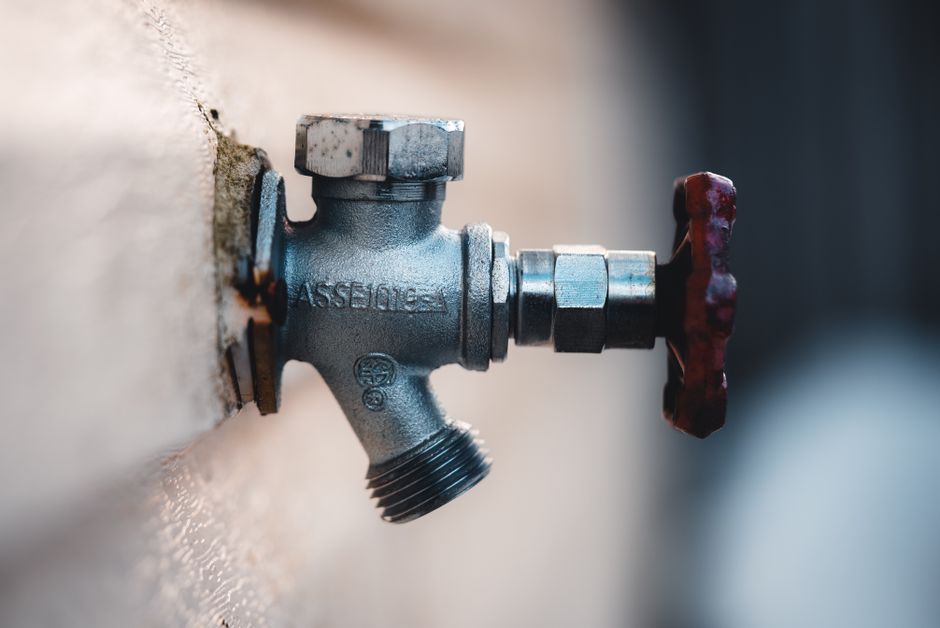
Outdoor plumbing also needs attention. If you left a hose attached to your spigot over the winter, there’s a high chance the pipe inside the wall froze and cracked. Perform the "Thumb Test": turn on the outdoor faucet and try to block the flow with your thumb. If you can stop the water easily, the pipe is likely leaking inside your wall.
For more detailed steps, see our guide on Spring Sump Pump Testing and Maintenance.
Improving Efficiency: Why Spring is the Best Time for Plumbing Maintenance to Save Money
We all want lower utility bills, and spring maintenance is your ticket to a more efficient home. Household leaks waste nearly 10,000 gallons of water per year on average. By fixing a single dripping faucet or a leaky showerhead, you’re not just saving money; you’re supporting environmental goals.
Why spring is the best time for plumbing maintenance often comes down to the "compound interest" of repairs. A small leak in May might cost pennies, but the mold growth and structural rot it causes by August will cost thousands. Furthermore, high water pressure (anything over 60-80 PSI) can wear out your appliances prematurely. Spring is the perfect time for us to test your home's pressure and install a regulator if needed, protecting your dishwasher and washing machine for years to come.
Regular checks are the only way to catch these invisible efficiency killers. As we often say, The Importance of Having Your Plumbing System Inspected Regularly cannot be overstated if you want to maximize the lifespan of your plumbing infrastructure.
Professional Signs and Septic System Readiness
For our neighbors in Rushville and the surrounding rural areas, septic maintenance is a top spring priority. The spring thaw makes the ground soft and saturated, which can put immense pressure on your septic tank and drain field.
Watch for these "Red Flags":
- Slow drains throughout the entire house (not just one sink).
- Gurgling sounds coming from the toilets or drains.
- Unusually lush, green grass over the septic drain field.
- Sewage odors wafting into the yard.
Spring is also when tree roots become most active. These roots seek out the moisture in your sewer lines, often entering through tiny cracks caused by winter ground shifting. Once inside, they grow rapidly, causing massive backups. A professional camera inspection can "see" these roots before they cause a total blockage.
If you're on a septic system, now is the time to check the baffles and effluent filters. Our guide on Spring Septic System Checkup What to Look For provides a deeper dive into keeping your waste management system healthy during the wet months.
Conclusion
Your home's plumbing system is its circulatory system. After a long, cold Illinois winter, it deserves a little TLC to ensure it’s ready for the demands of summer. From preventing $3,000 water damage disasters to extending your water heater’s life by a decade, the benefits of spring maintenance are undeniable.
At HRI Plumbing, we take pride in serving the Jacksonville, Springfield, and Rushville communities with honesty and integrity. Whether you need a quick sump pump test, a water heater flush, or a comprehensive Spring Septic System Checkup, our expert technicians are here to help. We offer 24/7 support and flexible maintenance plans designed to fit your needs and your budget.
Don't let a small winter crack turn into a summer nightmare. Contact us today to schedule your spring maintenance and enjoy the peace of mind that comes with a reliable, efficient plumbing system. For more specialized information, check out our septic services or give us a call to speak with a local expert.


