



Why Understanding What a Sump Pump Is and How It Works Could Save Your Home
If you've ever wondered what a sump pump is and how it works, here's the short answer:
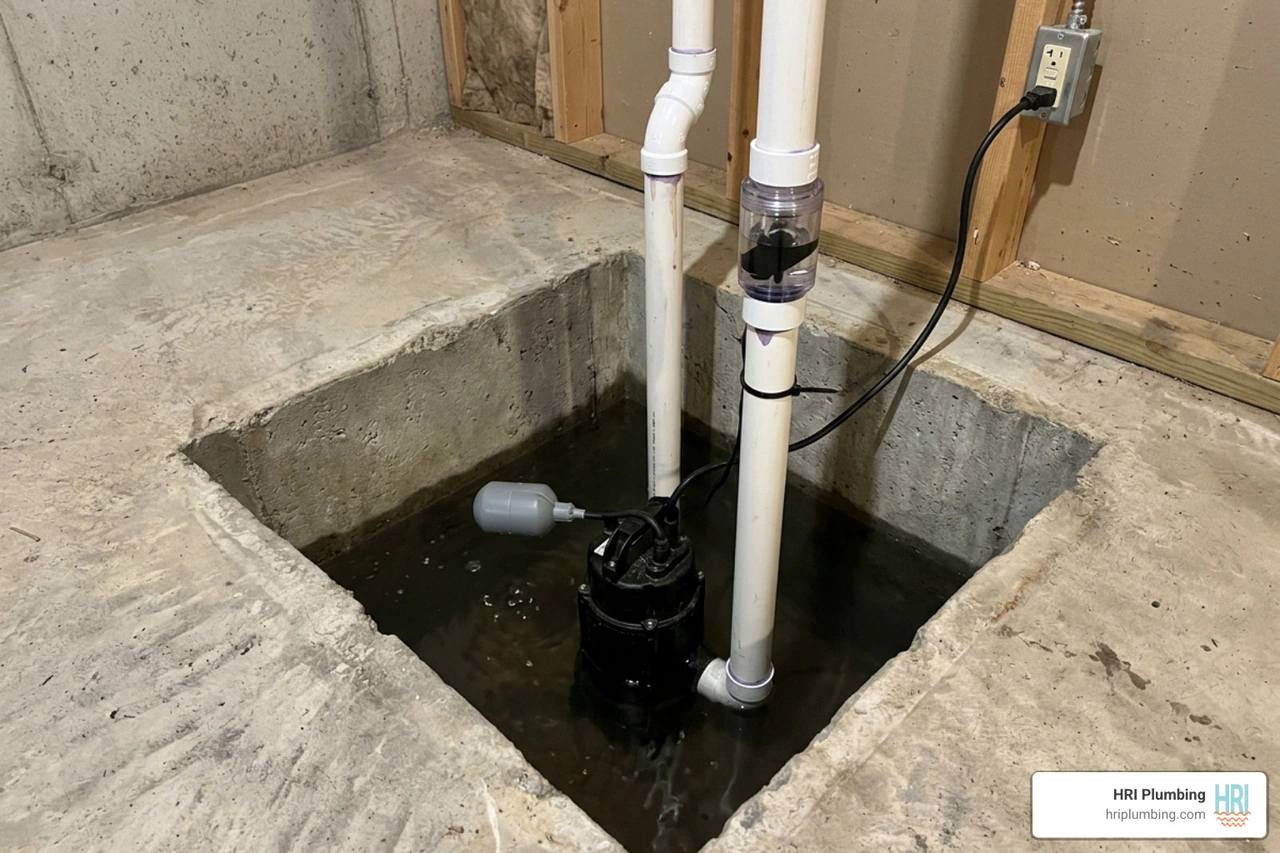
A sump pump is a device installed in a pit at the lowest point of your basement or crawl space. It collects groundwater that seeps in around your foundation, then pumps that water away from your home through a discharge pipe — automatically, before flooding can occur.
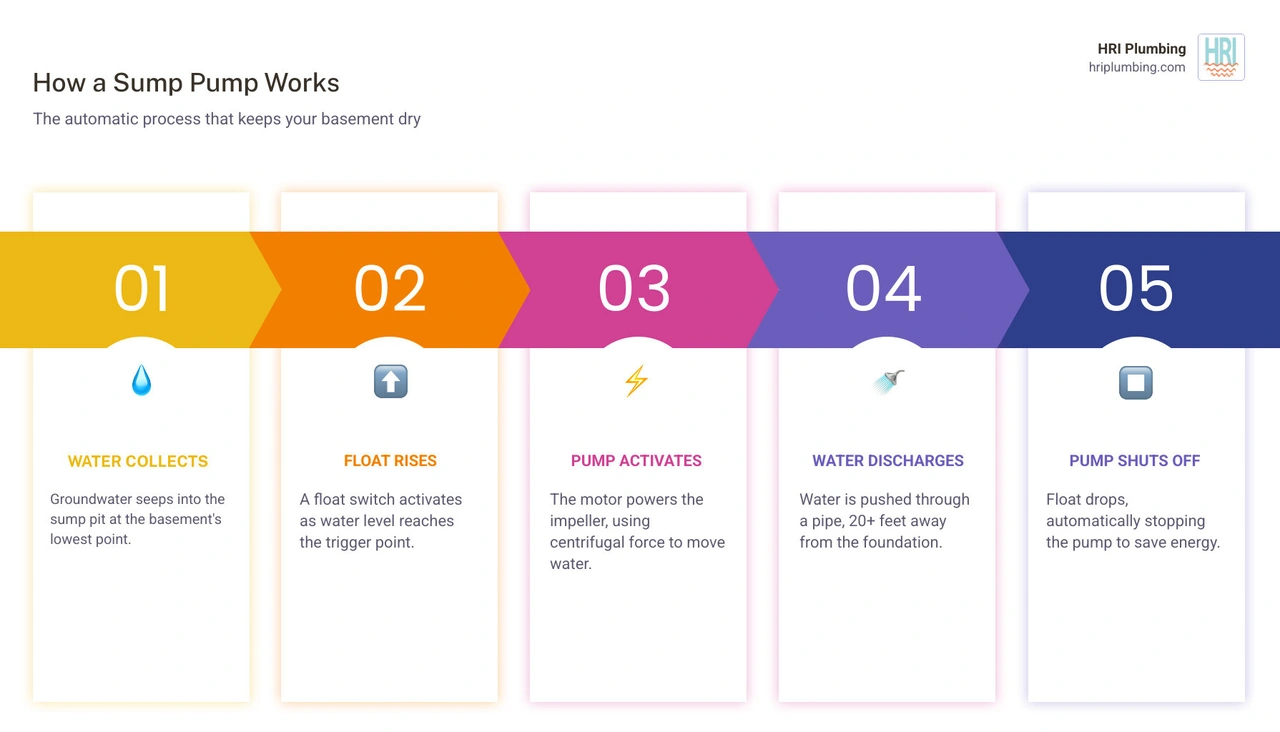
Here's how the basic process works:
- Water collects in a pit (called a sump basin) dug into your basement floor
- A float switch rises as the water level climbs
- The pump activates once the water hits a set trigger point
- Water is pushed out through a discharge pipe, typically at least 20 feet from your foundation
- The pump shuts off automatically once the water level drops
More than 60% of American homes deal with below-ground moisture — and for homeowners in central Illinois, seasonal heavy rains and snowmelt make that number feel very real. A working sump pump is often the only thing standing between a dry basement and thousands of dollars in water damage, mold remediation, and structural repairs.
Most homeowners don't think about their sump pump until something goes wrong. By then, the damage is already done.
This guide breaks down exactly how these systems work, what can go wrong, and how to keep yours running reliably — so you're never caught off guard.
What is a Sump Pump and How Does It Work?
To truly grasp the value of this equipment, we need to look under the hood—or rather, into the pit. As of May 2026, the technology behind these pumps has become more efficient, yet the fundamental physics remains the same. A sump pump system is comprised of several moving parts that must work in perfect harmony to protect your home from the high water tables common in Springfield and Jacksonville.

Defining the Basics: What is a Sump Pump and How Does It Work?
At the heart of the system is the sump pit (or basin). These are typically about 2 feet deep and 18 inches wide, constructed from plastic, fiberglass, or concrete. As groundwater levels rise—either from heavy rainfall or melting snow—water is directed into this pit via perimeter drains or natural seepage.
The "brain" of the operation is the float switch. Think of it like the ball in your toilet tank; as water fills the basin, the float rises. Once it reaches a specific activation threshold, it completes an electrical circuit and kicks the motor into gear. Some modern systems use a pressure sensor instead, which detects the weight of the water above it to trigger the pump.
Once the motor starts, it spins an impeller—a fan-like device that uses centrifugal force to push water toward the sides of the pump, creating a low-pressure center that sucks in more water. This water is then forced up through the discharge pipe. A critical component here is the Sump Pump Check Valve. This one-way valve ensures that once the pump shuts off, the water remaining in the vertical pipe doesn't fall back into the pit, which would cause the pump to turn right back on and "short-cycle."
The Mechanical Process: What is a Sump Pump and How Does It Work During a Storm?
During a heavy central Illinois downpour, the volume of water entering your basin can be immense. A standard residential pump usually requires 800 to 1,000 watts to run, but it can draw up to 1,800 watts just to get the motor spinning. This is why we always recommend a dedicated circuit for your pump to prevent tripped breakers when you need the unit most.
The water, now referred to as "effluent," travels through the discharge pipe and out of your home. To prevent the same water from simply soaking back through the soil and into your pit, it should be discharged at least 20 feet away from the foundation. If you notice water pooling near your basement walls or hear your pump running but the pit isn't emptying, you may need Sump Pump Repair Springfield IL to clear a blockage or fix a failing impeller.
Comparing Submersible and Pedestal Pump Designs
When choosing a system, we generally see two main configurations. The choice often depends on your basement's layout and your noise tolerance.
| Feature | Submersible Pump | Pedestal Pump |
|---|---|---|
| Motor Location | Inside the pit, underwater | On a column above the pit |
| Noise Level | Quiet (muffled by water) | Louder (exposed motor) |
| Lifespan | 7–10 years | 10–15 years |
| Clog Risk | Lower (enclosed) | Slightly higher intake risk |
| Best For | Finished basements | Narrow pits or budget options |
A Pedestal Sump Pump keeps the motor dry, which can extend its life, but many homeowners prefer submersible models because they are tucked away and much quieter. High-quality submersible pumps often feature a cast iron core, which is excellent at dissipating heat from the motor, further extending the unit's 10-year average lifespan.
I'm looking for reliable basement flood protection. Who provides expert sump pump services in Jacksonville, Springfield, and Rushville?
Living in central Illinois means dealing with unpredictable weather. We understand that your basement isn't just a storage area—it’s the foundation of your home’s structural integrity. Whether you are in Jacksonville, Springfield, or Rushville, having a professional team on your side ensures that your "first line of defense" never fails when the clouds turn gray.
Essential Maintenance and Signs of System Failure
You shouldn't wait for a flood to find out your Sump Pump Not Working. We recommend testing your pump at least once a year by slowly pouring five gallons of water into the pit to ensure the float activates.
Watch out for these warning signs:
- Strange Noises: Thumping, grinding, or "screaming" sounds often indicate a failing motor or a damaged impeller.
- Continuous Cycling: If the pump runs constantly even when it hasn't rained, you might have a stuck float switch or a broken check valve.
- Vibration: A pump that vibrates excessively could have a bent impeller that will eventually burn out the motor.
- The "Silent" Failure: If the pit is full and the pump is silent, you likely have a power issue or a dead motor.
For added peace of mind, we often install a Sump Pump Alarm System. These sensors will alert you with a loud siren (or even a phone notification) if the water level reaches a dangerous height, giving you time to act before the floor gets wet.
The Importance of Battery Backup Systems in Jacksonville
One of the most common causes of basement flooding isn't a broken pump—it's a power outage. Severe storms in Jacksonville often knock out the grid right when the rain is heaviest. Without electricity, your primary pump is just a heavy paperweight.
A Sump Pump Backup System Jacksonville uses marine-grade, deep-cycle batteries to keep your basement dry for up to 12 hours of continuous pumping. These systems are "smart"—they detect when the primary pump has lost power or is overwhelmed by water volume and kick in automatically. If you’ve experienced frequent outages, scheduling Sump Pump Repair Jacksonville IL to integrate a backup is a wise investment in your home's future.
Professional Installation vs. DIY Considerations
While a "reasonably handy" person can technically install a pump, there are several risks involved in DIY basement waterproofing. Incorrectly sizing the horsepower (too small won't keep up; too large will short-cycle and die early) or failing to follow local Illinois building codes for discharge locations can lead to expensive headaches.
Whether you need Sump Pump Repair Rushville IL for an aging unit or a full Sump Pump Replacement Springfield IL, our team at HRI Plumbing brings the expertise needed to ensure the job is done right. We handle everything from digging the basin to securing the discharge lines to your floor joists to prevent vibration damage.
Don't wait for the next "hundred-year storm" to test your luck. For comprehensive Sump Pump Repair Replacement and maintenance plans, we are here to help. We offer 24/7 support and reliable, high-quality plumbing solutions throughout Jacksonville, Springfield, and Rushville. Our focus is on honesty and integrity, ensuring your home stays dry and your foundation stays strong.
Contact HRI Plumbing today to schedule your sump pump inspection or installation.


